In B2B sales and marketing, trust often determines whether a prospect replies or ignores you. SMEs and startups depend on data to identify target accounts, reach decision-makers, and personalize outreach. But in Singapore and across Southeast Asia, one question comes up more often now: "Where did you get my data?"
That’s why data sourcing transparency in Singapore is no longer optional. With privacy expectations rising and regulations like PDPA and GDPR shaping how businesses handle information, buyers want assurance that outreach is grounded in ethical B2B data use and responsible practices. When companies can clearly explain where information came from and why it’s being used, they gain credibility immediately and reduce friction in the first conversation.
Why Transparency Matters
When a business is vague about data origin, prospects assume the worst: scraped lists, bought databases, or unverifiable contact details. That uncertainty damages response rates and weakens brand trust, especially in B2B, where relationships are long-term.
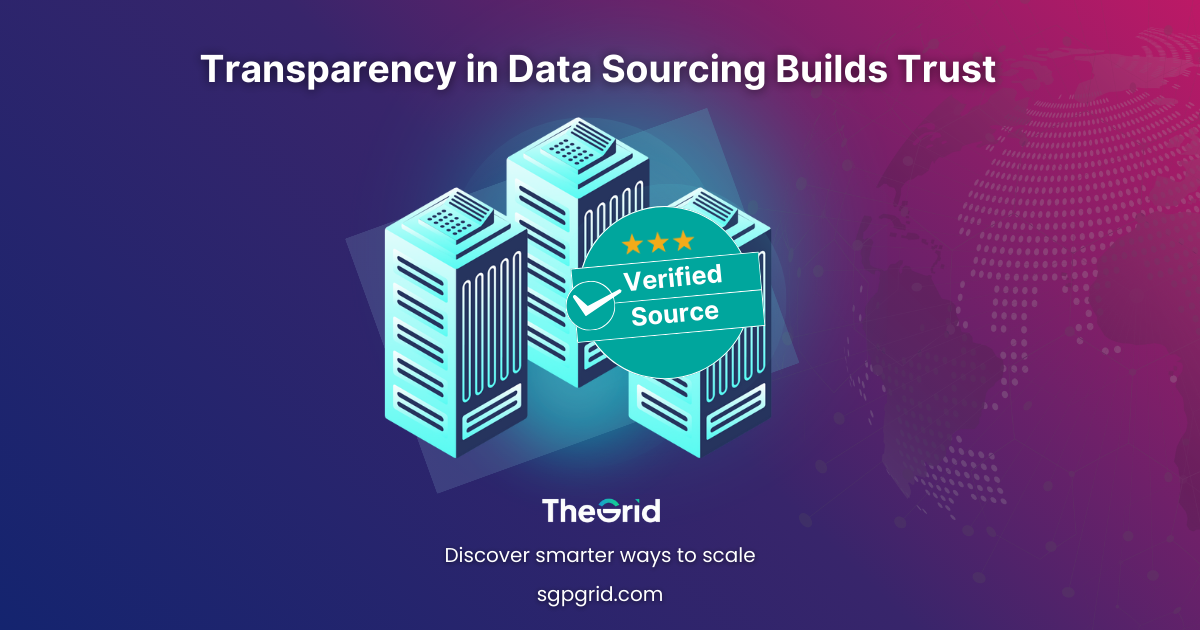
By contrast, client transparency marketing signals professionalism. It tells prospects you value accuracy, privacy, and relevance. Explaining that information comes from legitimate, publicly available business sources, verified directories, or trusted intelligence solutions such as The Grid sales intelligence, supports stronger B2B data credibility and sets a respectful tone from the start.
The Risks of Opaque Data Practices
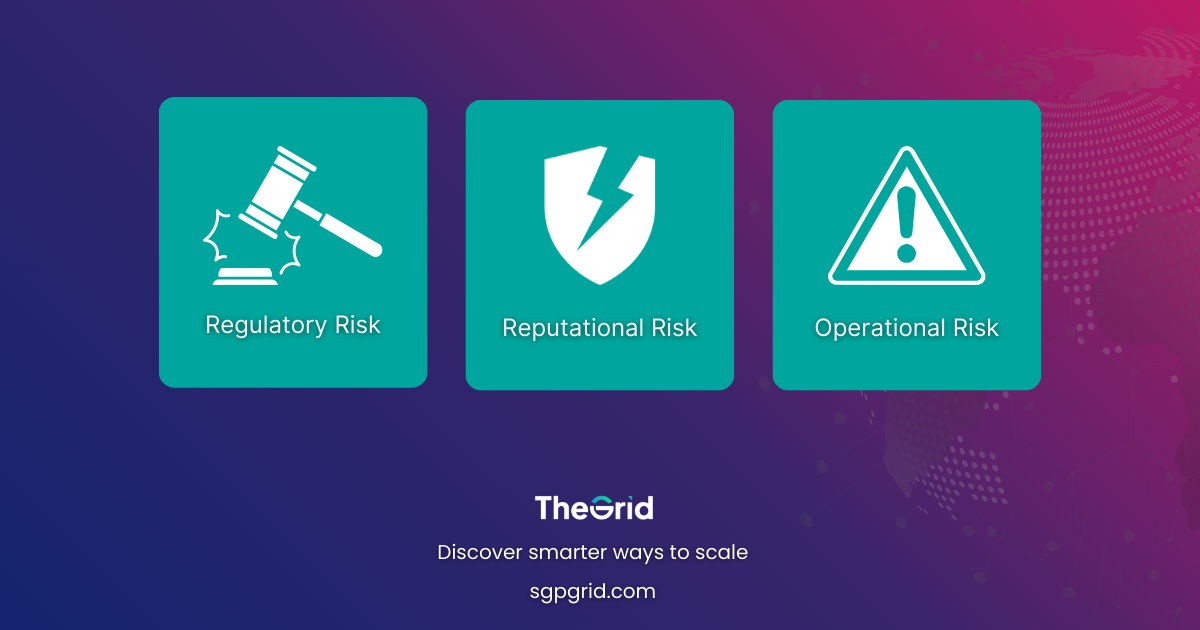
Lack of transparency harms SMEs in three practical ways:
Regulatory risk: If teams can’t explain how data was sourced, compliance becomes harder to prove, especially under PDPA, GDPR, and similar SEA regulations.
Reputational risk: Prospects who feel their information was mishandled tend to disengage quickly, contact blocklists, or share negative feedback.
Operational risk: Poorly sourced data often meant duplicates, outdated contacts, and irrelevant companies, wasting time and weakening pipeline accuracy.
How Transparency Builds Client Trust
Transparency isn’t just about compliance. It’s about making outreach feel legitimate and respectful.
1) It shows respect for privacy and context
Clear sourcing reduces suspicion and reassures prospects that the outreach isn’t random or intrusive.
2) It demonstrates professionalism and governance
SMEs that can explain sourcing processes are often seen as more mature and credible, especially when selling to regulated sectors.
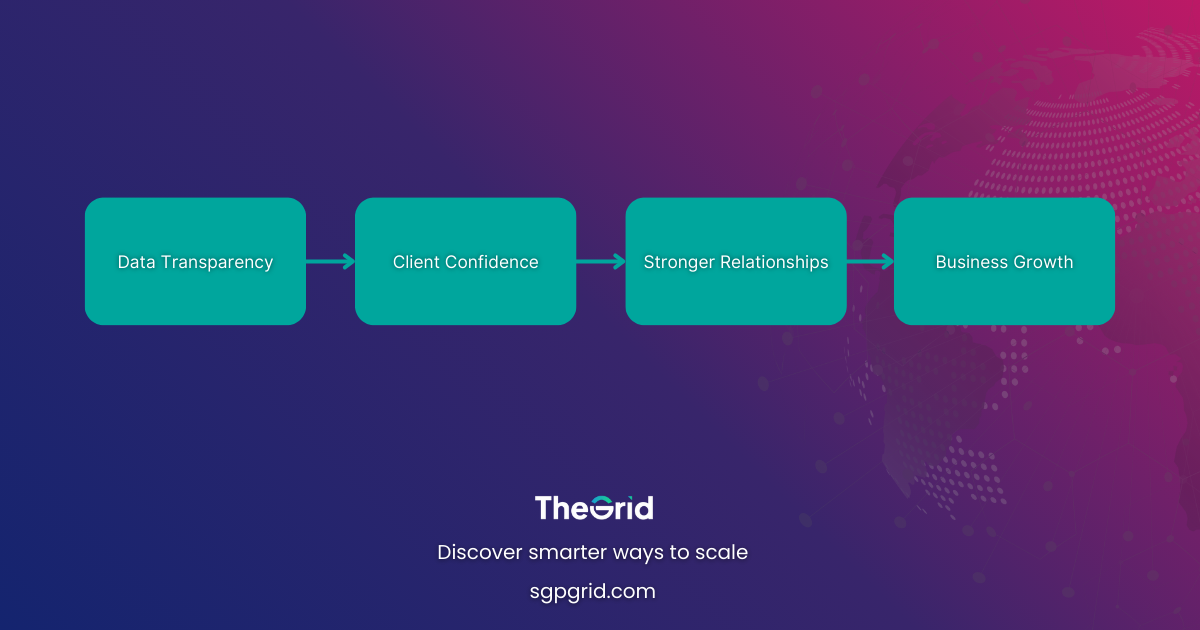
3) It builds confidence earlier in the buyer journey
When clients trust the data, they’re more willing to engage in discovery calls, share needs, and move forward.
Best Practices for Transparent Data Sourcing
1) Use responsible, verifiable sources
Prioritize responsible data sourcing methods and platforms that emphasize accuracy and compliance, rather than questionable bulk lists. This is especially important for SME trust building in Southeast Asia where reputation has outsized impact.
2) Be ready to say “where it came from” in one sentence
Train sales and marketing teams to answer the sourcing question simply, such as:
“We use publicly available business information and verified databases to ensure accuracy and compliance.”
3) Document your sourcing process internally
Maintain a basic internal record of:
- approved sources
- how data is validated
- who owns compliance checks
This supports consistency and reduces risk during audits or client questions.
4) Build transparency into messaging, not only policy pages
Transparency should appear in real interactions, not only in legal documents. Clear sourcing language helps startup trust building in SEA by removing doubt early.
Real-World Example
A Singapore SaaS company saw prospects hesitate during outbound outreach because they questioned how contact details were obtained. The company adjusted its approach by being explicit about sourcing, stating that contacts were derived from compliant, verifiable business sources and validated databases. Within weeks, reply rates improved and objections decreased. Prospects didn’t just accept the explanation, they appreciated it.
Conclusion
Transparency in data sourcing isn’t only a compliance checkbox. It’s a trust strategy. For SMEs and startups, being clear about where data comes from improves credibility, reduces reputational risk, and strengthens long-term engagement.
In Singapore and Southeast Asia, data sourcing transparency builds the foundation for better outreach, better relationships, and better results, because trust is what keeps pipelines moving.
Disclaimer
This article is for informational purposes only. Data and examples are based on publicly available information and insights from The Grid’s platform. Results may vary depending on the business context.
References
- Personal Data Protection Commission Singapore (PDPC): https://www.pdpc.gov.sg
- GDPR Information Portal: https://gdpr-info.eu
- Gartner Data Transparency Insights: https://www.gartner.com/en/insights/data-privacy