The logistics sector in Singapore and Southeast Asia is fast-moving and highly competitive. For many teams, the biggest constraint isn’t ambition, it’s time. A logistics SME in Singapore wanted to accelerate SME sales growth in Singapore, but traditional prospecting methods were too broad, slow, and inconsistent.
This case study about a logistics SME in Singapore shows how the team applied data-driven targeting in SEA using firmographics, buying signals, and logistics sales intelligence to focus on the right accounts, run more targeted B2B campaigns, and grow revenue with less wasted effort.
The Challenge: Growth Goals, but Low-Quality Prospecting
Before switching to a data-led approach, the company relied on:
- referrals and repeat business,
- cold outreach to broad lists,
- generalized messaging across multiple industries.
The result:
- low reply rates,
- long qualification cycles,
- too much time spent on accounts that weren’t a fit.
The team needed a repeatable approach to B2B lead generation logistics, one that prioritized the right companies at the right moment.
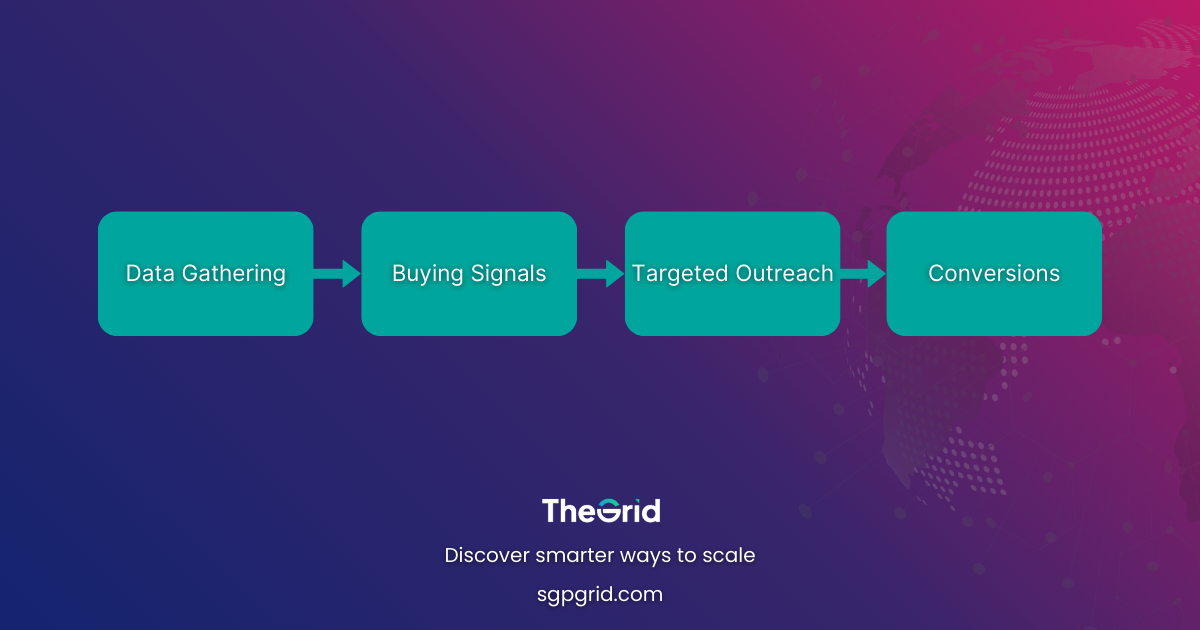
The Data-Driven Approach
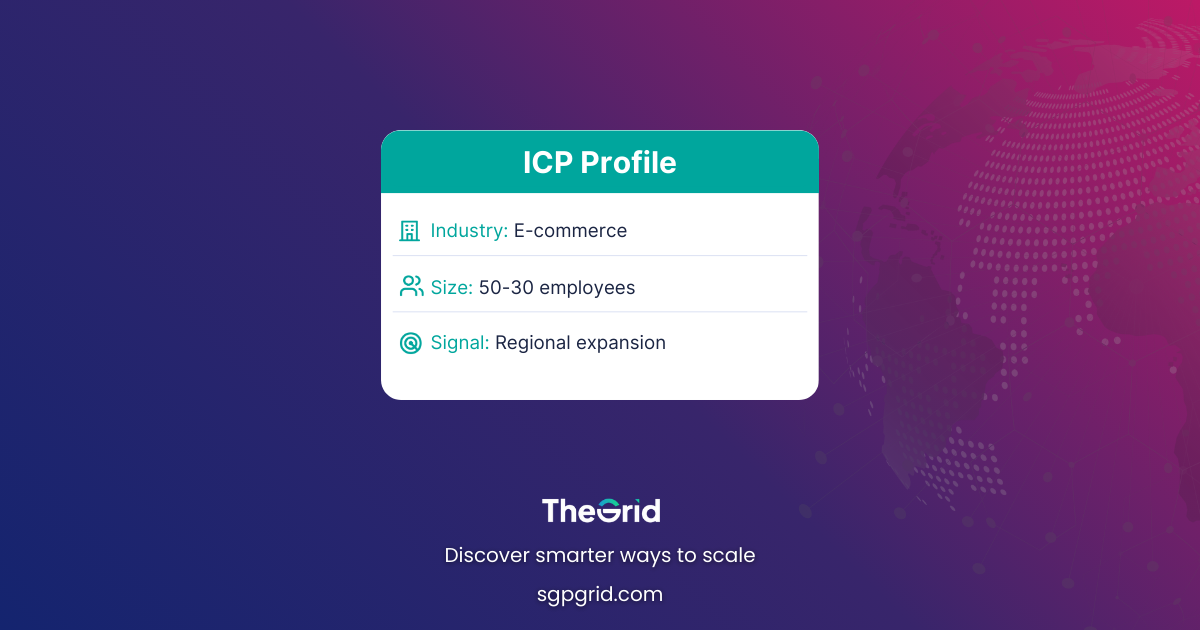
Step 1: Define a Sharp ICP (Ideal Customer Profile)
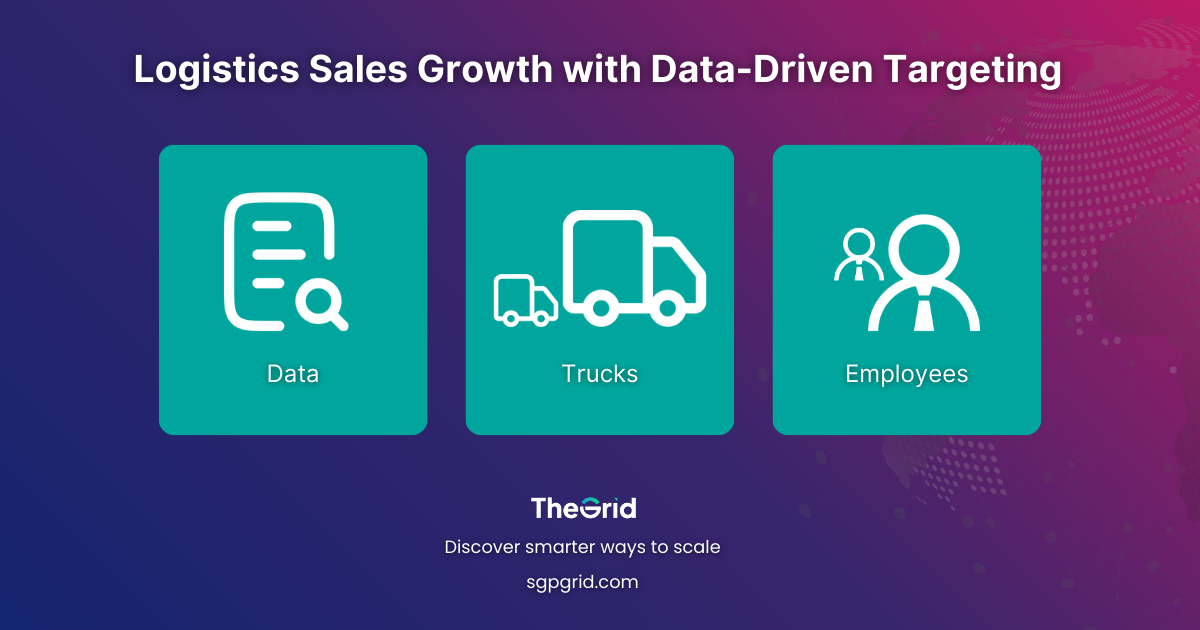
Using firmographic filters, the company analyzed past wins and found a clear pattern: their best-fit customers were mid-sized e-commerce and retail businesses that were actively scaling.
ICP filters included:
- Industry: e-commerce or retail
- Size: 50–300 employees
- Geography: Singapore-based with SEA growth
- Operational profile: shipping volume increasing, cross-border activity rising
This ICP became the foundation for more precise data-driven targeting SEA and tighter pipeline quality.
Step 2: Tracking Buying Signals to Catch Timing
Instead of reaching out randomly, the team monitored buying signals that often come before logistics demand spikes, such as:
- new warehouse openings,
- cross-border expansion announcements,
- funding rounds,
- hiring growth in operations or supply chain,
- marketplace launches or new delivery promises.
These signals helped identify accounts that were more likely to convert and improved overall SME sales growth in Singapore outcomes by reducing too early outreach.
Step 3: Targeted Outreach
With a clear ICP and timing signals, the team ran targeted B2B campaigns tailored to the prospect’s situation.
Outreach improved because it referenced specific context, like:
- “Saw you expanded to cross-border delivery. Here’s how teams reduce failed deliveries during scale.”
- “Noticed a new warehouse opening. This is where fulfillment bottlenecks usually appear.”
They also used verified company and decision-maker details to reduce time spent chasing the wrong contacts, supporting faster B2B lead generation logistics execution.
Results
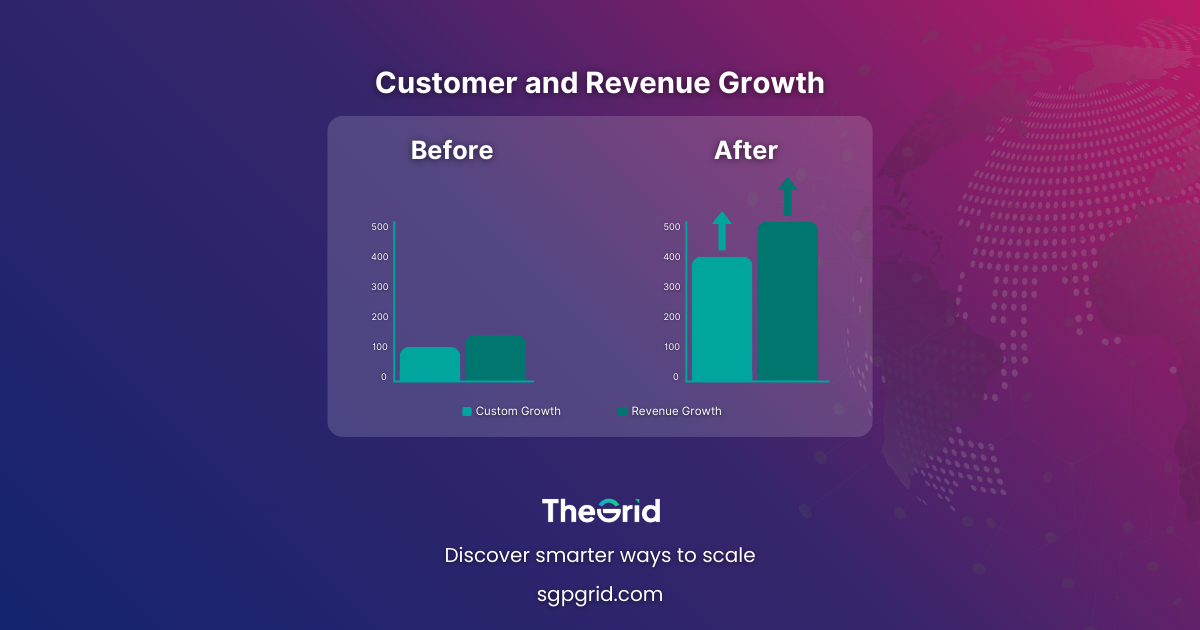
Within the first year of adopting this model, the company reported:
- 30% shorter sales cycle due to faster qualification and better timing
- Lower customer acquisition cost by eliminating low-fit leads
- Customer growth concentrated in e-commerce/retail, consistent with the refined ICP
- ~40% revenue growth from targeted segments compared to the previous year
These results reflect what a strong The Grid case study logistics approach looks like: better focus, better timing, sharper execution.
What Other SMEs Can Learn
This case study reinforces four practical lessons:
- Precision beats volume
More accounts doesn’t mean more revenue; better accounts do. - Signals create timing advantage
Buying triggers turn cold outreach into relevant outreach. - Targeted B2B campaigns outperform generic messaging
Context increases replies, meetings, and deal speed. - Data quality matters
Reliable intelligence reduces dead ends and improves sales efficiency, especially for lean teams.
Conclusion
For logistics SMEs in Singapore, growth doesn’t require bigger teams, it requires better targeting. This case study about logistics SME in Singapore shows how data-driven targeting, combined with buying signals and structured outreach, can accelerate sales growth in Singapore while reducing wasted effort.
If you want more predictable pipeline, start with: ICP clarity, timing signals, targeted campaigns, and consistent measurement.
Disclaimer
This article is for informational purposes only. Data and examples are based on publicly available information and insights from The Grid’s platform. Results may vary depending on the business context.
References
- Singapore Logistics Association: https://www.sla.org.sg
- HubSpot: https://blog.hubspot.com/sales/sales-case-study-examples
- The Grid Prospecting Tools: https://www.sgpgrid.com