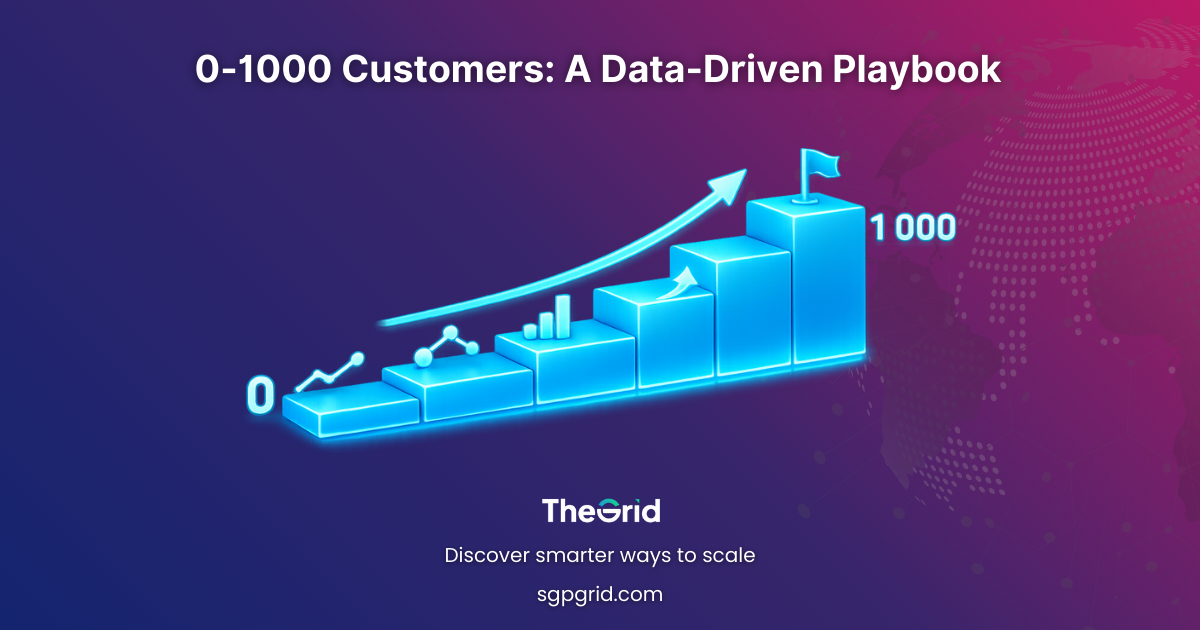
Reaching your first 1000 customers is one of the toughest phases in any startup journey. It’s where product-market fit gets tested, your message gets sharpened, and every hire—and every mistake—carries real cost. For early stage startup growth in Singapore and the wider region, the fastest teams don’t rely on instinct alone. They build a system around data.
When used well, startup growth data in Singapore helps founders focus on the right segments, choose the best channels, prioritize high-intent accounts, and turn early wins into repeatable momentum. If you’re aiming for startup scaling in SEA, this stage-by-stage guide shows how to apply B2B customer acquisition data and build a data-driven sales playbook that grows with you.
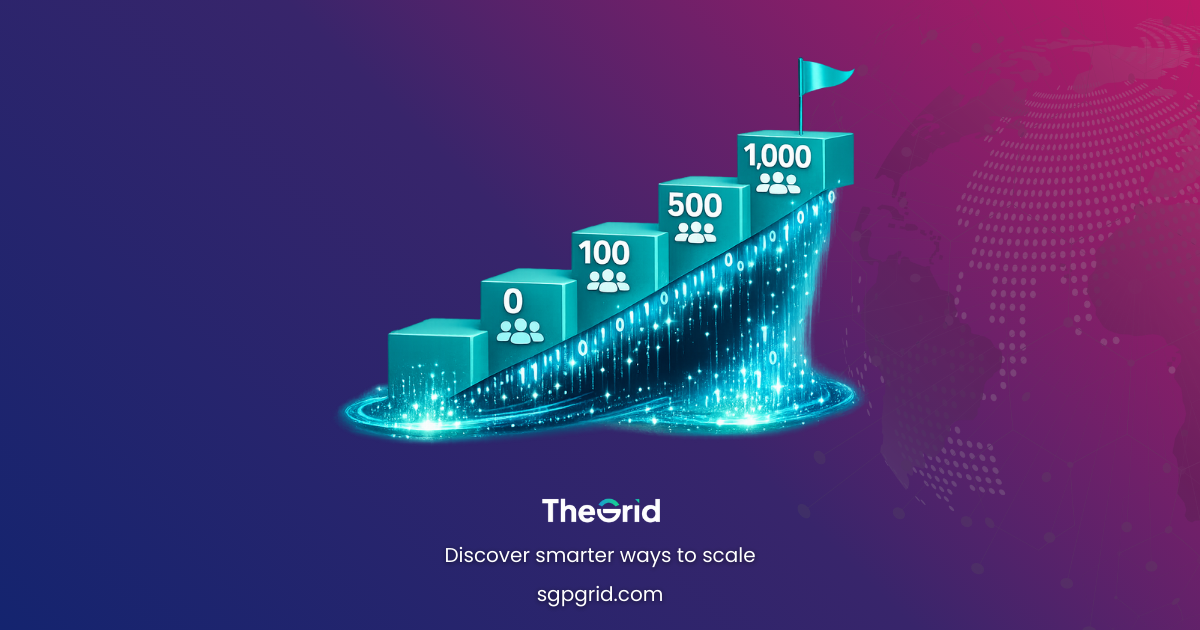
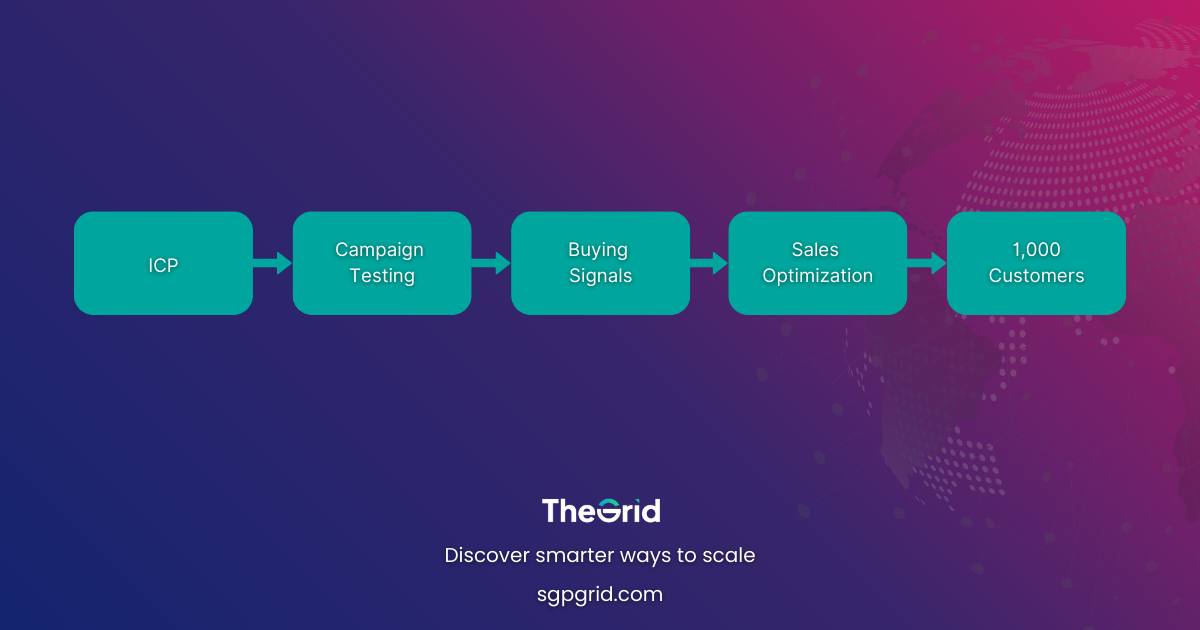
Stage 1: Identifying the First Customers
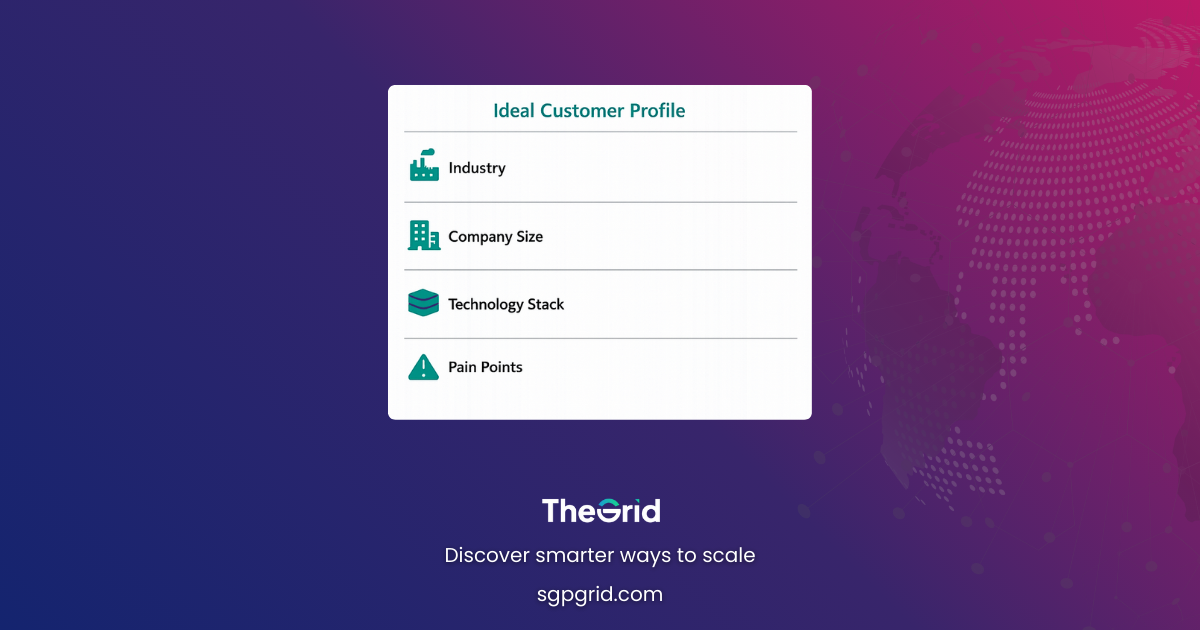
Before spending on ads or scaling outbound, start by defining a tight Ideal Customer Profile (ICP). Use B2B customer acquisition data, even basic notes from pilot calls, early demos, and closed-won accounts, to spot patterns in who converts fastest and stays longest.
A practical ICP usually includes:
- Industry and sub-industry
- Company size (headcount and/or revenue range)
- Geography (Singapore-only vs. regional SEA expansion)
- Buyer roles involved in decisions
- Pain points and “must-solve-now” triggers
Example:
A Singapore HR tech startup might define its ICP as SMEs in retail and F&B with 50–200 employees that still rely on spreadsheets for payroll. That kind of clarity prevents wasted outreach and sets up a stronger SME data-driven strategy in SEA when you expand into nearby markets.
Stage 2: Building Repeatable Lead Generation
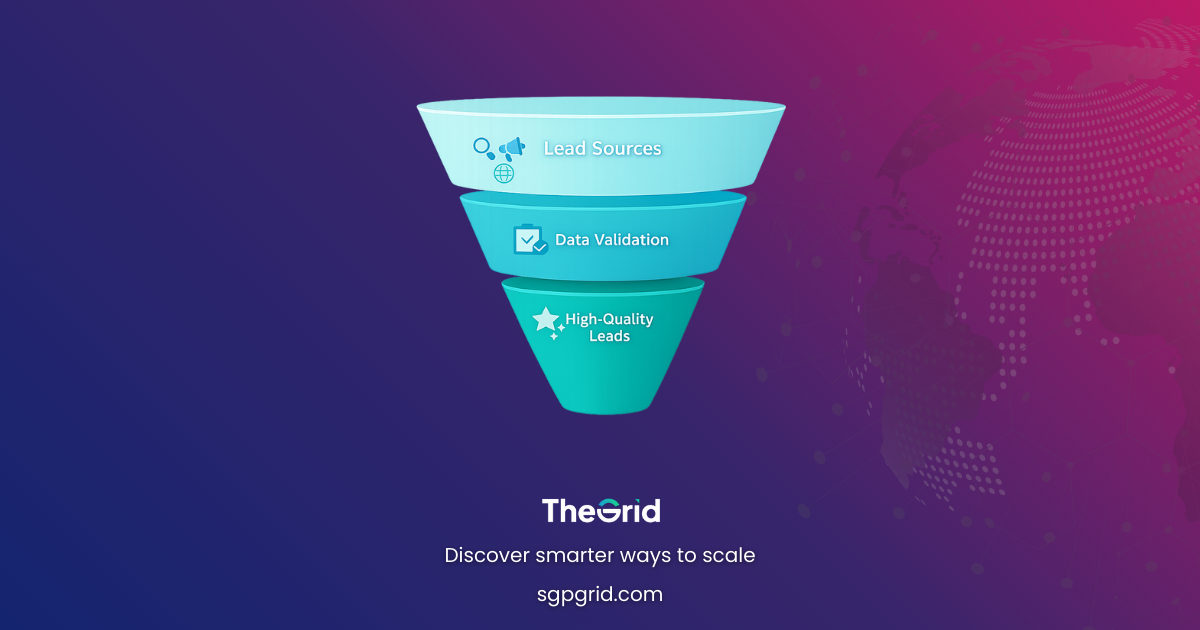
To move from early traction to startup scaling in SEA, you need lead generation that can be repeated—not a few lucky wins that can’t be replicated. Most startups test a mix of inbound and outbound, then double down based on what produces the best-fit accounts.
Track metrics that point to revenue, not vanity:
- Cost per qualified lead (not just cost per lead)
- Demo-to-close rate by channel
- Time to first meeting
- Average deal size by segment
This is how a data-driven sales playbook starts forming: you stop guessing and start repeating what works, using data to confirm which channels and customer slices actually drive growth.
Stage 3: Prioritizing with Data Signals
Not all leads are equal. Treating them equally slows your momentum. The fastest path to the first 1000 customers is prioritization: rank accounts so your sales effort goes where conversion odds are highest.
Useful signals include:
- Hiring spikes in relevant roles
- Funding announcements
- Expansion into new markets
- Major tech stack adoption or system migrations
- Industry or regulatory deadlines
For early stage startup growth in Singapore, this matters because timing often decides outcomes. For startup scaling in SEA, it becomes even more important. Because markets move quickly, and your advantage comes from acting when intent is highest.
Stage 4: Optimizing the Sales Process
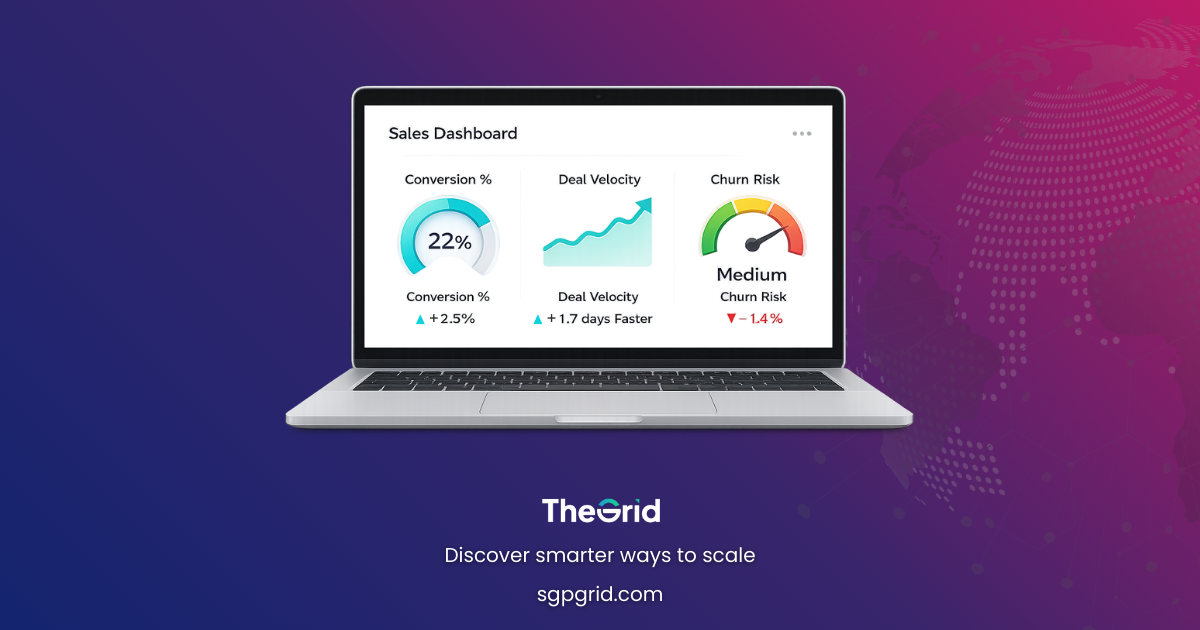
Once lead flow improves, many startups stall because the middle of the funnel is weak because of uneven qualification, inconsistent demos, poor follow-up, or unclear pricing. This is where data stops being just marketing support and becomes your sales engine.
Track these weekly:
- Lead: meeting conversion rate
- Meeting: demo conversion rate
- Demo: close conversion rate
- Average sales cycle length
- Churn risk and expansion signals (for subscriptions)
Even a 10–15% lift in one stage compounds fast as volume grows. That’s what makes a data-driven sales playbook powerful: it improves predictably, not randomly.
Stage 5: Scaling to 1,000 Customers
To truly scale from 0 to the first 1000 customers, you can’t keep relying on founder memory or “tribal knowledge.” You need to document what works so new hires can execute without reinventing the wheel.
Build these foundations:
- A repeatable inbound and outbound workflow
- Segmentation (SME vs mid-market vs enterprise)
- CRM hygiene rules (required fields, naming conventions, and dedupe rules)
- Data enrichment/verification to keep records accurate
- Clear qualification criteria and follow-up cadences
This is where a structured data layer helps. If used correctly, it supports targeting, segmentation, and cleaner records, which are all critical for SME data-driven strategy SEA as you expand.
Real-World Example
A Singapore fintech startup gained pilots quickly but plateaued around ~100 customers. After tightening its ICP, focusing on higher-intent segments, and formalizing a data-driven sales playbook, the team improved conversion rates and reduced time spent on low-fit outbound. With clearer segmentation and better prioritization, growth became more repeatable and supported their path toward startup scaling in SEA.
Conclusion
Scaling isn’t magic, it’s a system. To scale 0 to 1,000 customers, startups need ICP clarity, measurable lead generation, smarter prioritization, and a sales process that improves every month. For early stage startup growth in Singapore and the wider region, data isn’t a “nice-to-have.” It’s the most reliable path to reaching your first 1000 customers with less waste and more consistency.
Disclaimer
This article is for informational purposes only. Data and examples are based on publicly available information and insights from The Grid’s platform. Results may vary depending on business context.
References
- HubSpot: https://blog.hubspot.com/sales/startup-customer-acquisition
- Singapore Exchange (SGX): https://www.sgx.com
- Gartner Startup Growth Insights: https://www.gartner.com/en/insights/startups