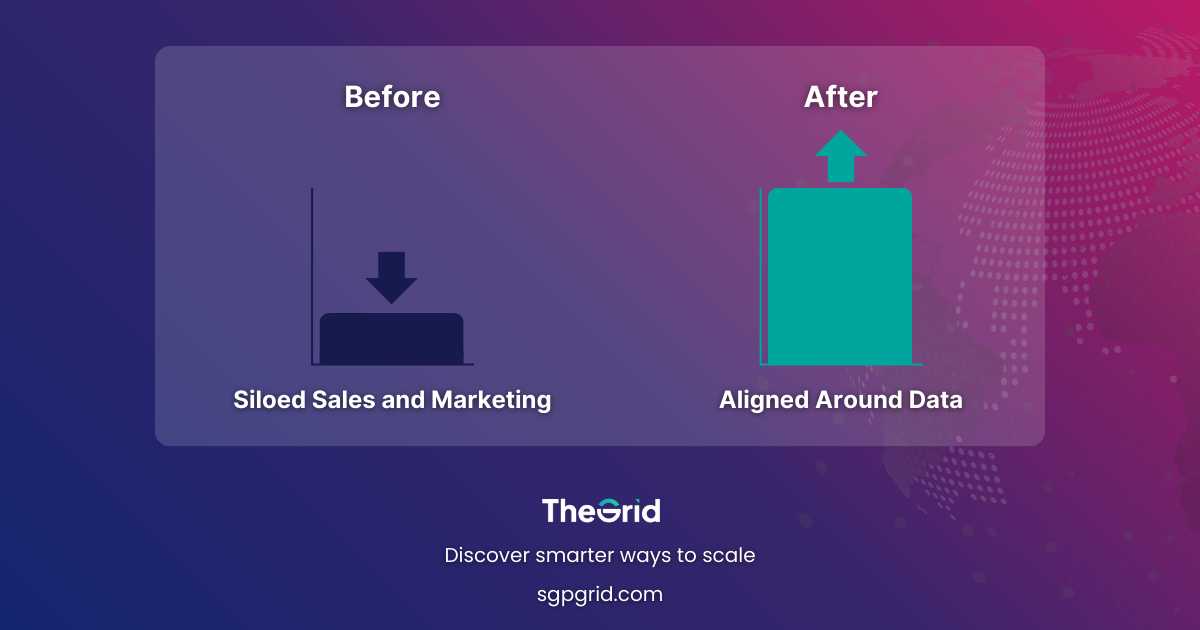
For many SMEs and startups, sales and marketing operate in silos. Marketing drives campaigns to attract prospects, while sales focuses on closing deals. Without alignment, leads slip through the cracks, performance slows, and both teams become frustrated.
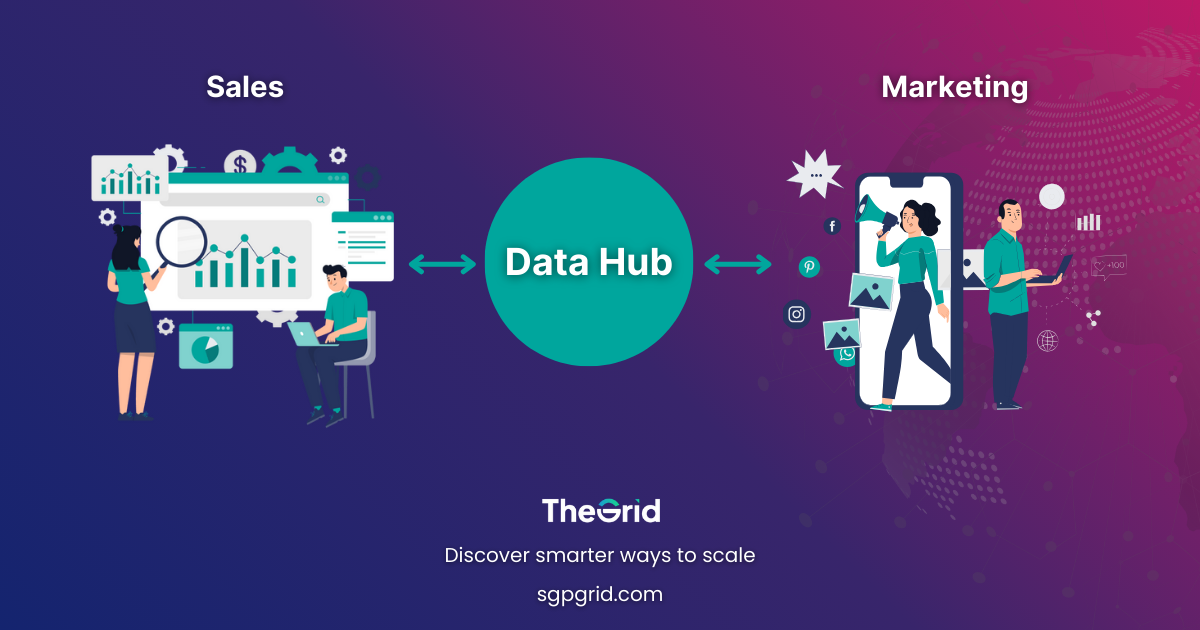
The solution is data-driven marketing alignment. When sales and marketing share the same data and operate from a unified view of the customer journey, SMEs can create a seamless, coordinated funnel that strengthens SME sales conversions SEA and supports long-term, sustainable growth.
Why Sales and Marketing Misalignment Happens
Misalignment often begins with different objectives:
- Marketing is measured by reach and lead volume.
- Sales is measured by meetings and revenue.
If marketing delivers many leads that are unqualified, sales dismisses them. If sales ignores leads that marketing nurtured, marketing views sales as unresponsive.
Without shared definitions, mutual visibility, and a common data foundation, misalignment becomes the default, which then weakens sales funnel alignment and hurting conversions.
How Data Brings Sales and Marketing Together
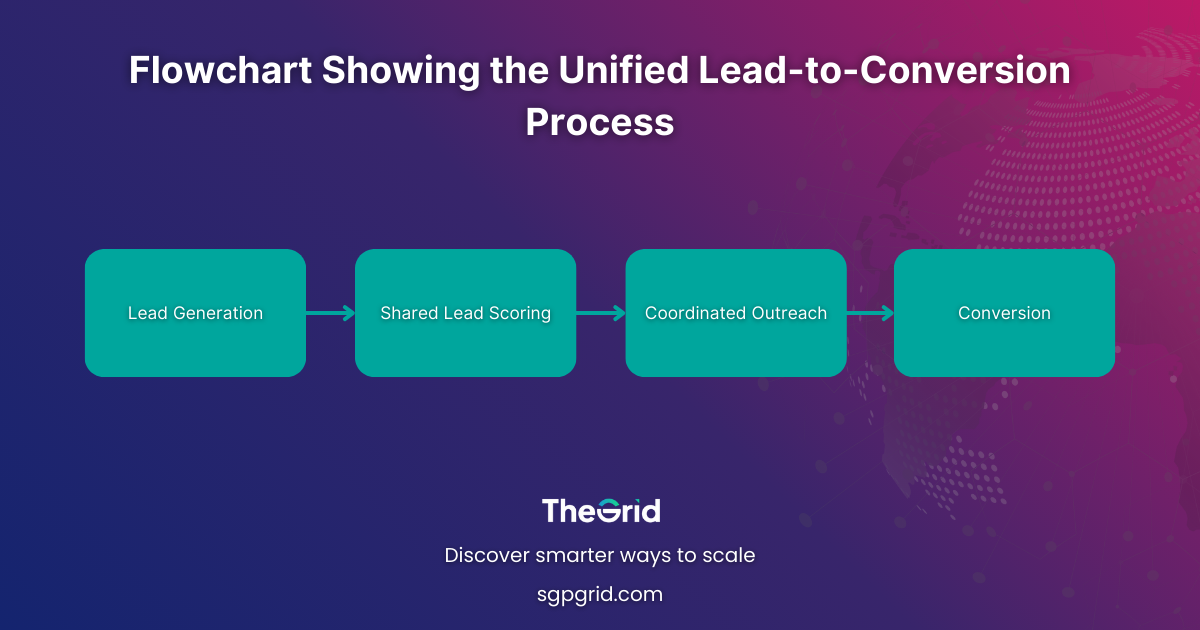
Shared Definitions of a Qualified Lead
Data helps both teams define what quality means. Using firmographics, engagement behavior, and industry signals, SMEs can agree on what constitutes a qualified lead. This aligns both functions around measurable, mutually accepted criteria.
Unified View of the Customer Journey
When marketing and sales data are unified in a single system, both teams gain visibility into how prospects move through the funnel.
This includes:
- which content they viewed
- which events they attended
- which pages they visited
- what buying signals they showed
This unified view improves timing and relevance. Sales can reference specific behaviors like webinar attendance to personalize follow-ups and improve B2B conversions.
Improved Lead Scoring
Lead scoring frameworks allow SMEs to prioritize leads based on firmographics, engagement behavior, technographics, and readiness.
This ensures:
- Marketing nurtures lower-scoring leads
- Sales focuses on high-priority prospects
- Both teams use the same scoring logic
Data removes emotion and opinion, replacing it with evidence and structure.
Benefits of Aligning Around Data
When SMEs align around shared data, they experience:
1. Higher Conversion Rates
Sales teams spend time on qualified, high-intent leads.
2. Shorter Sales Cycles
Prospects are already warmed by targeted marketing before sales engagement.
3. Stronger Collaboration
Both teams share responsibility for revenue, not just lead volume.
4. Better Resource Efficiency
Crucial for SMEs operating with lean teams across Singapore and Southeast Asia.
Through The Grid sales intelligence (firmographics, technographics, and decision-maker data SEA), alignment becomes easier and more actionable.
Real-World Example
A Singapore-based HR SaaS provider struggled with poor conversions because marketing targeted “all SMEs,” while sales only wanted regulated industries.
By using The Grid to build a shared Ideal Customer Profile, both teams agreed on:
- industries
- employee size bands
- tech stack requirements
- relevant decision-makers
Marketing campaigns became more precise. Sales pipelines became more qualified. Within six months, the company achieved a 35% increase in SME sales conversions in Southeast Asia.
This shift happened because both sides finally worked from the same data—not competing assumptions.
Conclusion
Sales and marketing alignment isn’t about forcing two teams to work identically—it’s about giving both access to the same truth through shared data.
By agreeing on lead definitions, building a unified customer view, and adopting data-driven lead scoring, SMEs in Singapore and Southeast Asia can create alignment that accelerates revenue, strengthens collaboration, and drives startup growth Singapore.
Data is not just a tool, it is the foundation of modern sales and marketing strategy in Southeast Asia.
Disclaimer
This article is for informational purposes only. Data and examples are based on publicly available information and insights from The Grid’s platform. Results may vary depending on the business context.
References
- HubSpot: https://blog.hubspot.com/marketing/sales-marketing-alignment
- Gartner Sales Insights: https://www.gartner.com/en/sales/topics/sales-data
- LinkedIn State of Sales SEA: https://business.linkedin.com/sales-solutions/state-of-sales