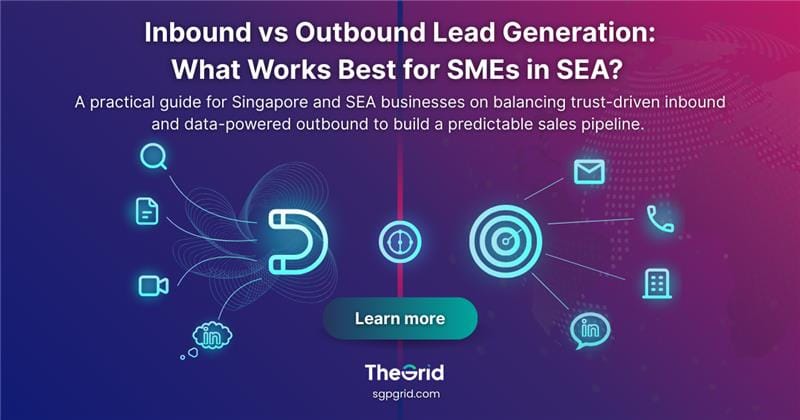
For SMEs and startups in Singapore, Southeast Asia, and ANZ, long-term business growth depends heavily on how well a company generates and manages leads. Two proven approaches dominate modern B2B lead generation in SEA: inbound lead generation and outbound lead generation. Although often compared as opposites, these strategies complement one another, especially for SMEs building a sustainable sales pipeline in Singapore and Southeast Asia.
The challenge for many businesses is determining how to balance the two, when to use each, and how to maximize results using accurate decision-maker data in SEA and verified business databases like The Grid.
What is Inbound Lead Generation?
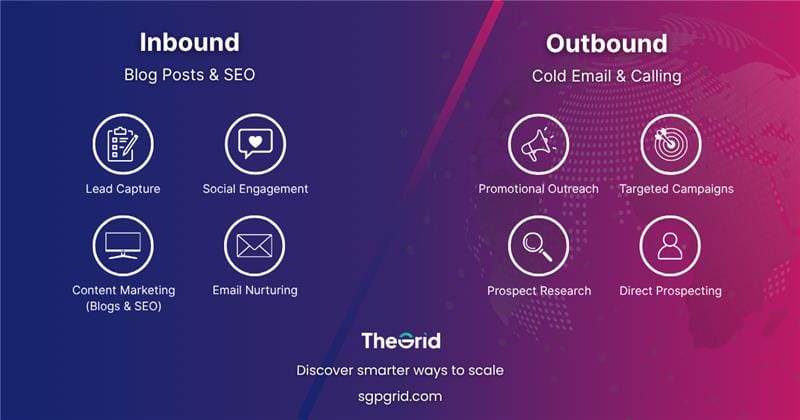
Inbound lead generation Singapore focuses on attracting potential customers who are already looking for solutions. Instead of reaching out directly, SMEs create valuable, educational content that draws prospects to their brand organically.
For instance, an HR tech startup in Singapore may publish SEO-optimized blogs about staffing regulations, host webinars about PDPA updates, or share LinkedIn content on workforce compliance. These efforts position the brand as a trusted resource and allow prospects to discover solutions naturally.
Common inbound activities include:
- SEO and content marketing
- social media engagement
- email nurturing
- webinars and educational events
Inbound works well for building long-term SME lead generation results, strengthening brand authority, and driving sustained business growth strategies in Southeast Asia.
What is Outbound Lead Generation?
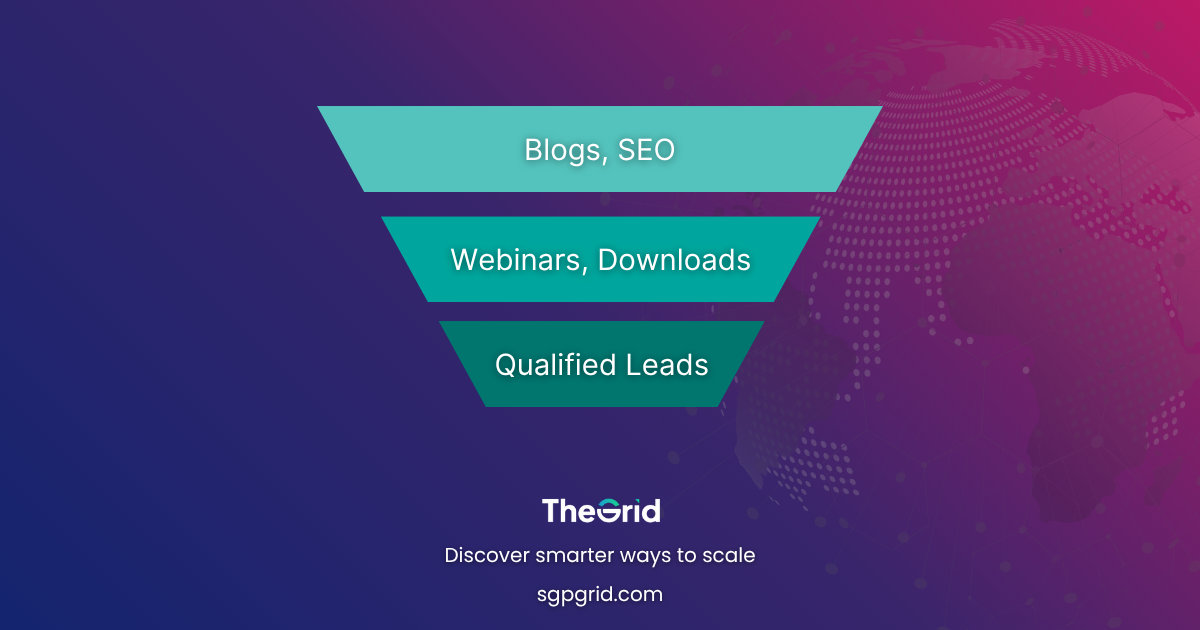
Outbound lead generation involves proactively contacting potential customers, especially those who may not yet know your brand. This is essential for SMEs and startups that need fast traction, immediate conversations, and direct access to decision-makers.
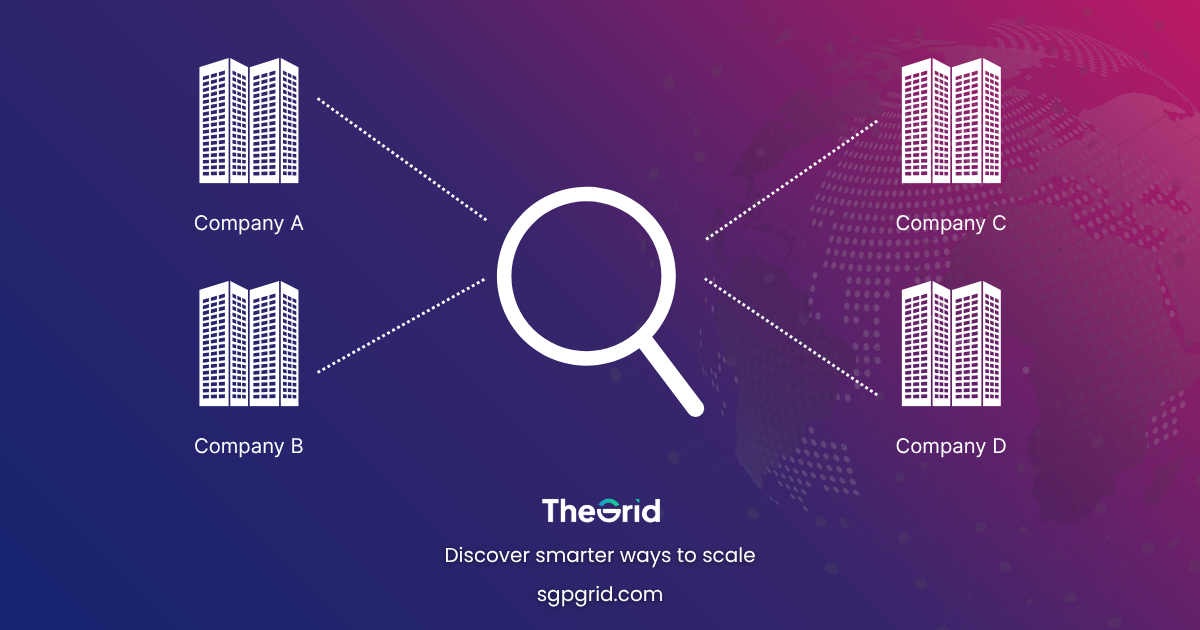
For example, a Singapore logistics SME expanding into Malaysia might use The Grid’s sales prospecting SEA data to identify manufacturers with cross-border shipping needs. With verified contacts and company intelligence, the sales team can run targeted email campaigns, LinkedIn outreach, or account-based marketing efforts.
Outbound strategies typically include:
- cold calling
- targeted cold email
- LinkedIn prospecting
- account-based marketing
- targeted list building
This gives SMEs control over who they reach and allows them to act quickly in new markets across SEA + ANZ.
Comparing Inbound and Outbound
Both approaches deliver strong results, but they differ in speed, scalability, and long-term impact.
Inbound Lead Generation
Inbound lead generation focuses on drawing potential customers to your brand by offering valuable, educational content. It nurtures trust over time and positions your business as a credible resource for prospects already searching for solutions.
- builds long-term credibility
- becomes cost-effective over time
- attracts high-intent prospects already searching for solutions
- supports privacy regulations like PDPA naturally
Outbound Lead Generation
Outbound lead generation takes a more proactive approach, allowing businesses to reach out directly to targeted accounts. It is especially effective for SMEs that need fast traction, immediate conversations, and direct access to decision-makers.
- drives immediate engagement with target accounts
- reaches decision-makers directly using prospecting tools for SEA startups
- scales quickly when supported by trusted data sources in Southeast Asia
- accelerates early-stage traction
Inbound is trust-driven.
Outbound is speed-driven.
SMEs in Singapore often benefit from leveraging both to build a predictable, resilient sales pipeline.
Which Approach Works Best in Today’s Market?
The ideal strategy depends on your growth stage, resources, and target markets.
- Early-stage startups often rely on outbound lead generation because it drives faster conversations with targeted buyers.
- Established SMEs lean on inbound to scale sustainably and improve quality leads for SMEs over time.
Regulations matter too. Outbound efforts in Singapore must follow PDPA guidelines for consent and responsible data use, while inbound channels like SEO and content marketing work naturally within compliance frameworks.
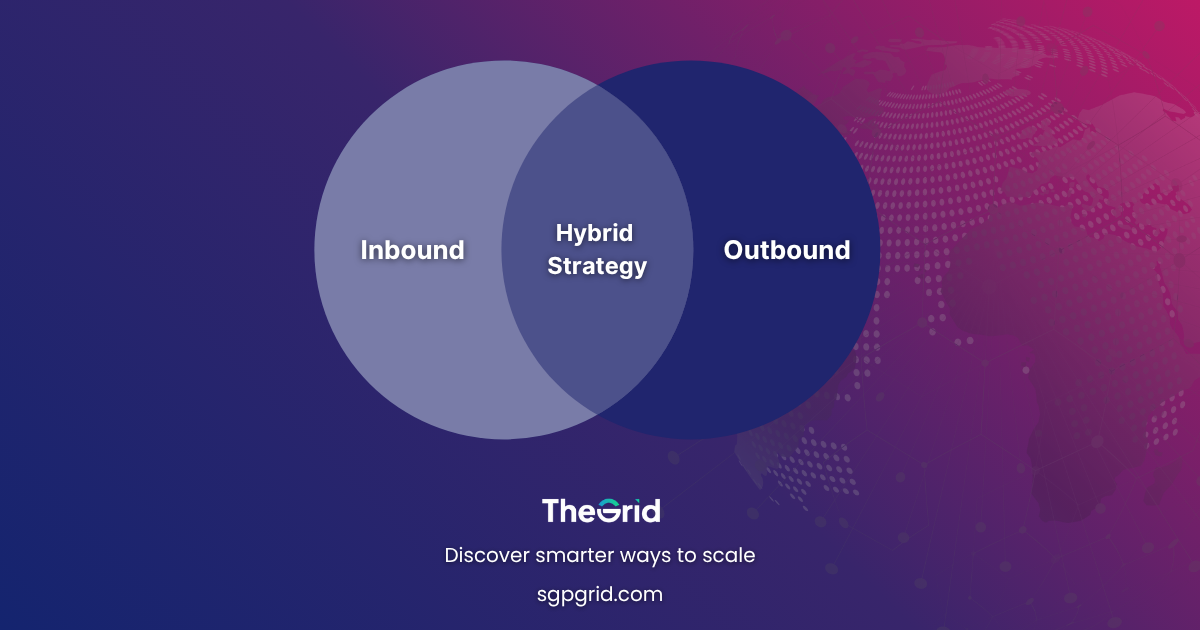
Today, the strongest SMEs in Southeast Asia adopt a hybrid model:
- inbound to build visibility and attract warm prospects
- outbound to accelerate outreach and enter new markets
This combined approach aligns with how modern buyers behave and how sales teams operate across SEA + ANZ.
Practical Example
A Singapore SaaS startup offering ESG reporting tools can use inbound lead generation by publishing SEO content on SGX sustainability requirements. This draws in CFOs and compliance leaders actively searching for ESG solutions.
At the same time, outbound efforts can identify companies that must comply with mandatory reporting standards using The Grid’s SEA + ANZ business intelligence and verified decision-maker data SEA. This allows targeted campaigns to procurement, sustainability leads, and finance teams.
A hybrid approach ensures the startup reaches both active searchers and high-value accounts not yet exploring solutions.
Conclusion
Inbound and outbound lead generation are not competing strategies, they are complementary. Inbound builds brand trust, authority, and a sustainable flow of intent-driven leads. Outbound delivers speed, precision targeting, and immediate access to the right accounts.
For SMEs and startups across Singapore and Southeast Asia, the most effective strategy is a thoughtful blend of both, supported by accurate sales prospecting tools, SEA, verified business data in Singapore, and strong lead intelligence.
With localized SEA + ANZ coverage and trusted decision-maker data, The Grid gives SMEs and startups the insights they need to execute both inbound and outbound strategies more effectively and confidently.
Disclaimer
This article is for informational purposes only. Data and examples are based on publicly available information and insights from The Grid’s platform. Results may vary depending on the business context.
References
- Personal Data Protection Commission Singapore (PDPC): https://www.pdpc.gov.sg
- HubSpot: https://blog.hubspot.com/marketing/inbound-marketing
- LinkedIn State of Sales SEA: https://business.linkedin.com/sales-solutions/state-of-sales