For many leaders, lead generation in Singapore SMEs feels like a constant trade-off: you want more opportunities, but you can’t afford wasted outreach, low-quality lists, or campaigns that don’t convert. In Singapore’s competitive B2B market and with privacy expectations shaped by PDPA, SMEs need a repeatable approach that’s focused, measurable, and responsible.
This SME sales playbook lays out a step-by-step, data-driven lead generation framework you can use to create a consistent pipeline and reliable SME customer acquisition. If you’re building toward long-term SME growth in Singapore, treat this as your operating system, not a one-off campaign.
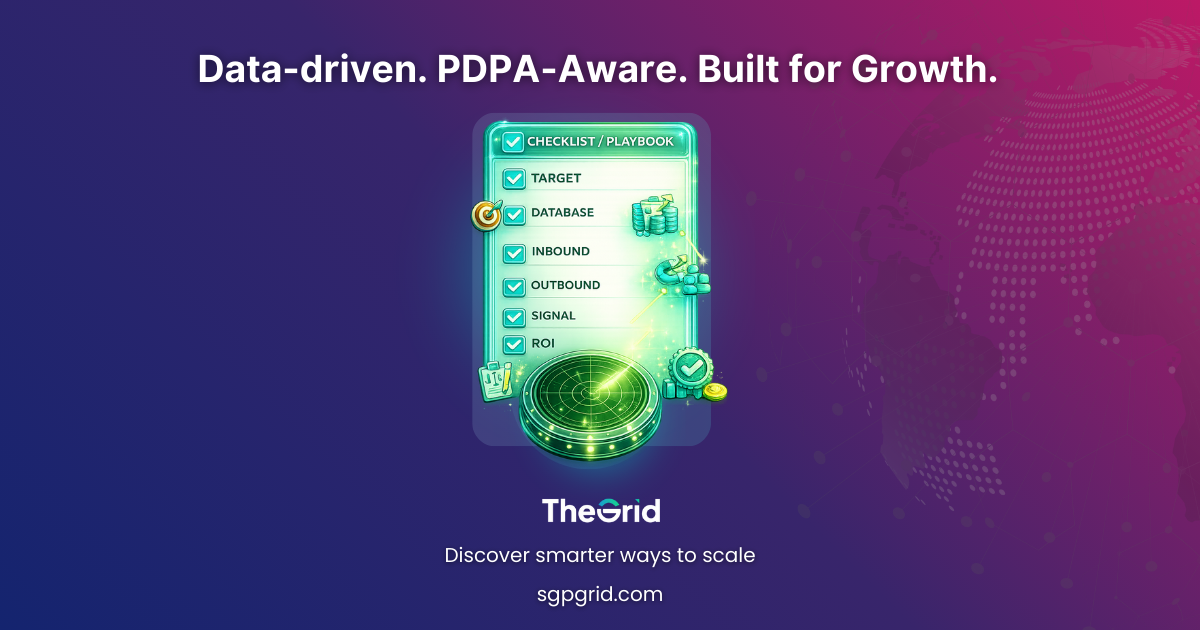
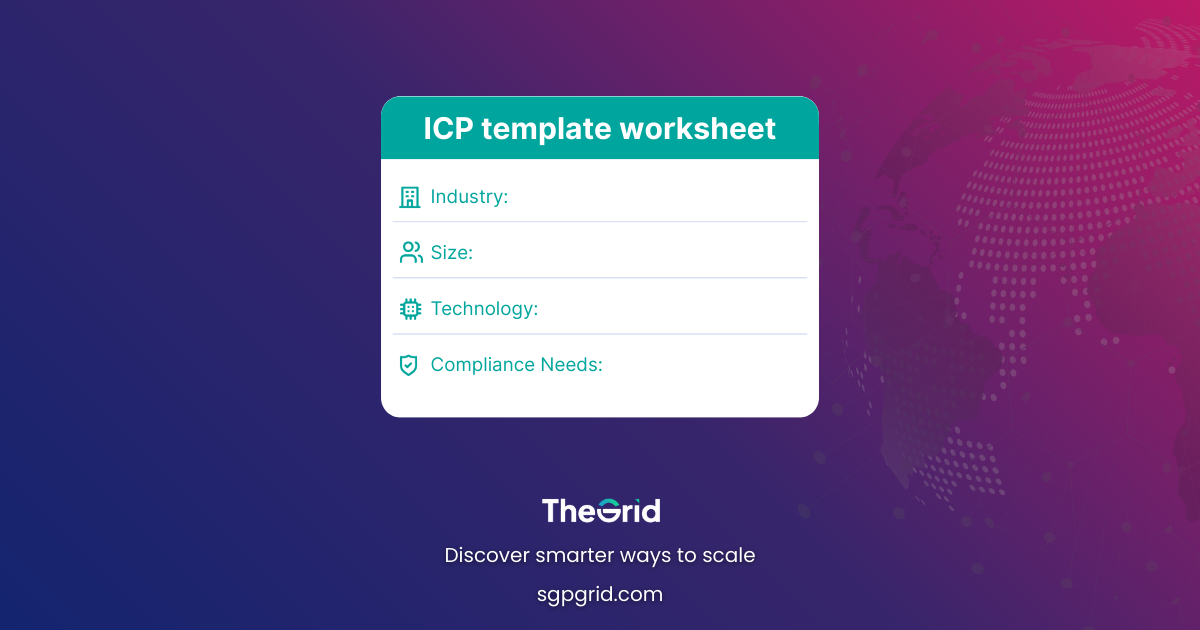
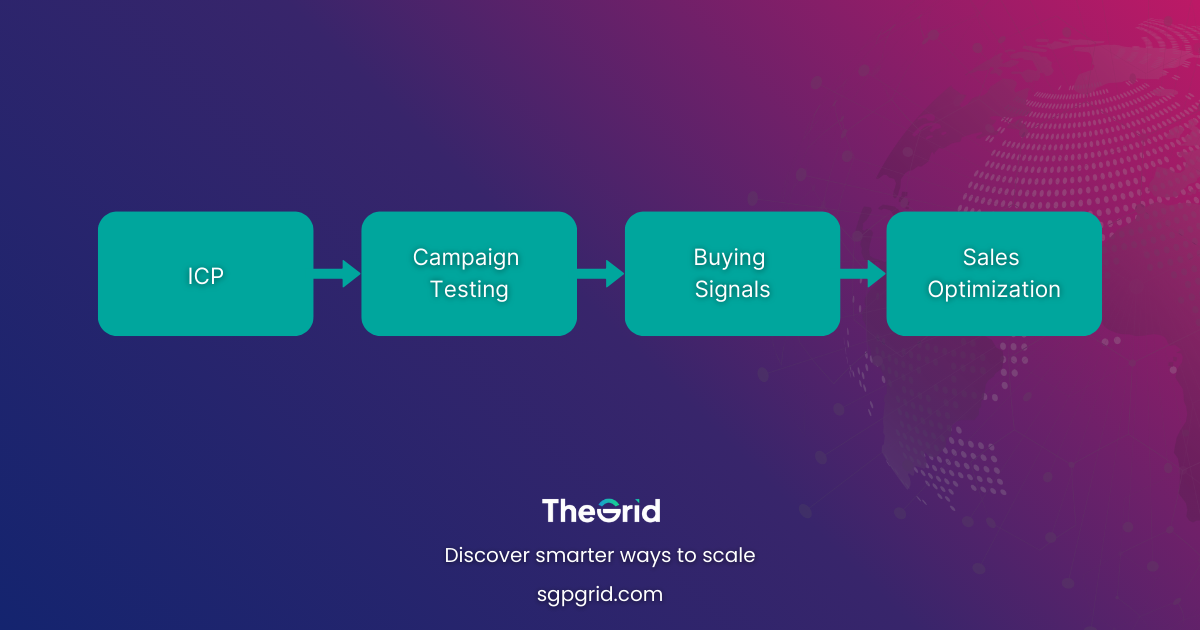
Step 1: Define the Ideal Customer Profile (ICP)
Every winning B2B lead generation strategy starts with clarity: Which companies are you built to help and who is most likely to buy?
Build your ICP using:
- Firmographics: industry, headcount, revenue band, location
- Technographics: tools used (CRM, HR systems, cloud stack)
- Fit signals: compliance needs, budget range, operational maturity
Example: A Singapore HR SaaS provider may focus on retail and logistics SMEs with 100–300 employees that have recurring compliance and reporting requirements.
Your ICP is the “filter” that keeps your lead gen efficient and keeps your team from chasing everyone.
Step 2: Build a Clean Prospect Database
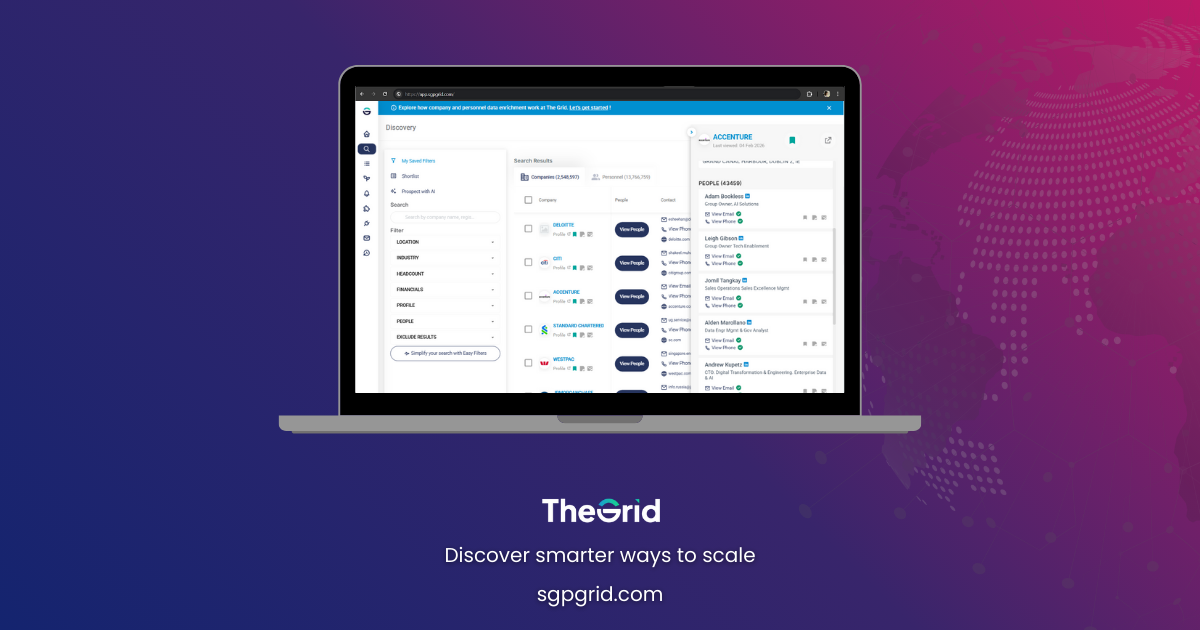
A list is only useful if it’s accurate and actionable. If your CRM is full of generic inboxes and outdated titles, your pipeline becomes bloated and your outreach becomes noisy.
To strengthen data-driven lead generation, your database should include:
- Correct company details (industry, size, locations)
- Accurate decision-makers and roles
- Basic context for personalization
Tools like The Grid business intelligence can help SMEs reduce manual research by providing structured company data and decision-maker details, so targeting efforts start with real information.
Step 3: Choose the Right Mix of Inbound and Outbound
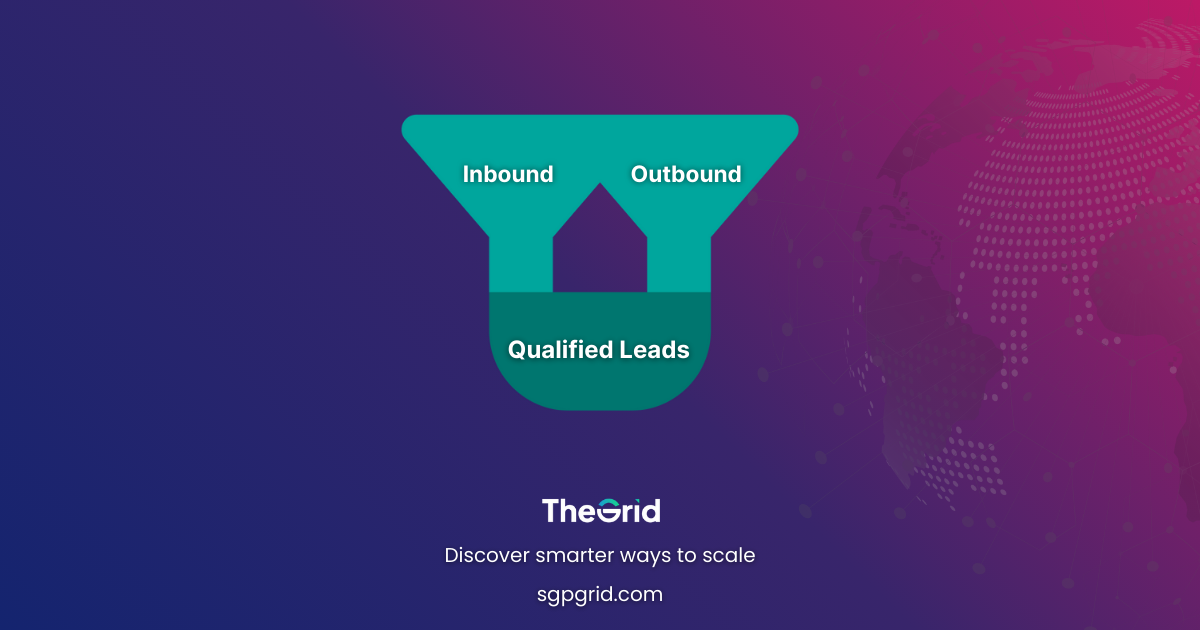
Strong lead generation isn’t either inbound or outbound, it’s both, working together.
Inbound (pull):
- SEO blog content, guides, webinars, case studies
- PDPA-safe opt-in flows to capture interest
- Industry pages tied to your ICP
Outbound (push):
- Targeted email/LinkedIn outreach to ICP accounts
- Personalization using company context (industry, scale stage, triggers)
- Sequenced follow-ups (not one-and-done messages)
This combination creates a scalable startup sales playbook Singapore approach, especially for lean teams.
Step 4: Track Buying Signals
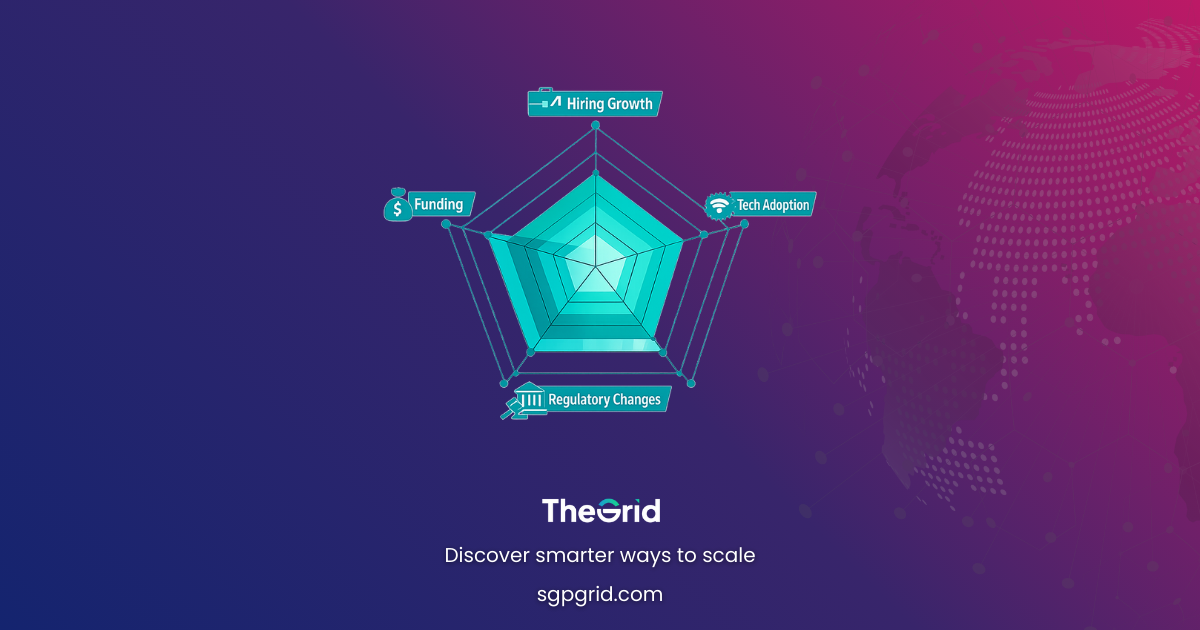
Not all leads are at the same “ready to buy” stage. Buying signals help you prioritize effort and improve conversion speed.
Common signals SMEs can track:
- Hiring surges in relevant roles
- Funding announcements or budget expansion
- Tech upgrades/migrations
- New market entry, branch openings, regional expansion
- Industry or regulatory changes affecting your offer
Using buying signals makes your B2B lead generation strategy more precise and less chasing, more timing.
Step 5: Align Sales and Marketing
Misalignment kills conversion. Marketing celebrates lead volume, the sales team complains about lead quality, and nobody owns the full journey.
Alignment checklist:
- One shared definition of “qualified lead”
- A simple handoff process (who, when, how)
- Shared visibility into pipeline stages
- Weekly feedback loop: what converted vs what didn’t
This is the difference between campaigns that “perform” and campaigns that drive SME customer acquisition.
Step 6: Measure ROI with the Right Data Signals
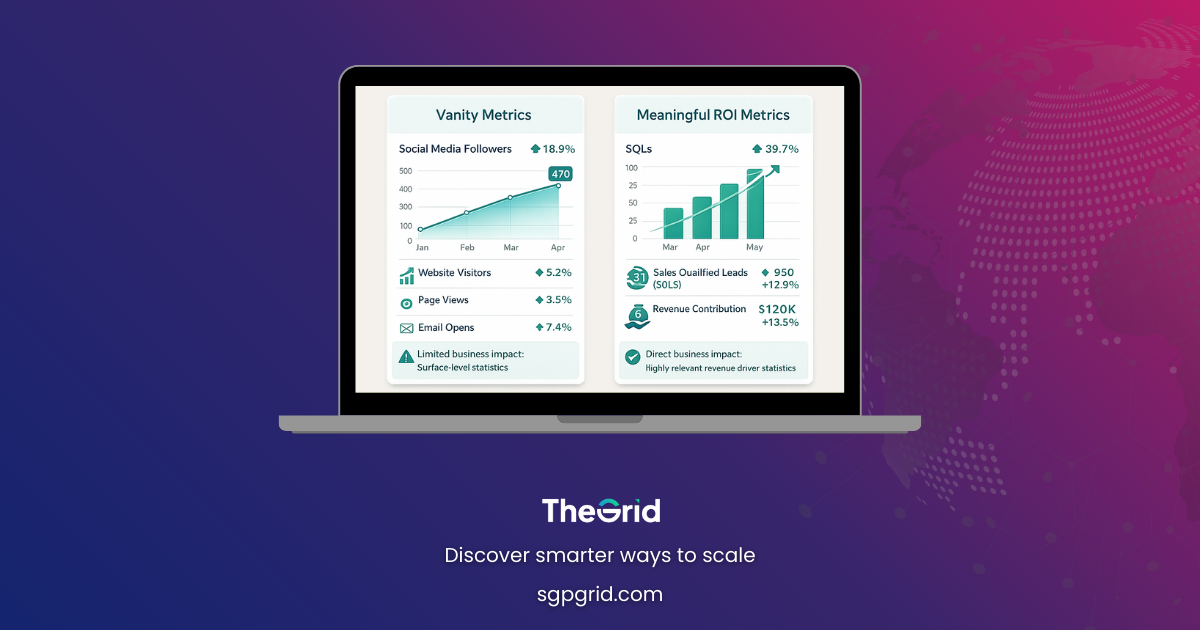
To improve SME growth in Singapore, don’t stop at vanity metrics like clicks and impressions. Track what reflects business impact:
- Lead quality (ICP match rate)
- MQL to SQL conversion
- SQL to closed-won conversion
- Sales cycle length
- Pipeline value created per campaign
- Revenue attribution (where possible)
This is how an SME sales playbook becomes repeatable. You can see what works, then scale it.
Real-World Example
A Singapore-based logistics SME refined its ICP to mid-sized e-commerce companies expanding into cross-border shipping. Using The Grid business intelligence, it built a clean list with decision-makers and tracked signals like warehouse openings and expansion announcements. With inbound content around shipping compliance plus outbound LinkedIn outreach, the business improved lead quality and accelerated SME customer acquisition over 12 months.
Conclusion
Lead generation in Singapore isn’t about doing more, it’s about doing the right things consistently. With a defined ICP, verified prospect data, a balanced inbound/outbound engine, buying-signal prioritization, aligned teams, and ROI tracking, SMEs can build a sustainable data-driven lead generation system.
This lead generation in Singapore SMEs playbook should run as a cycle: define, target, engage, measure, and refine. This process reinforces long-term SME growth Singapore.
Disclaimer
This article is for informational purposes only. Data and examples are based on publicly available information and insights from The Grid’s platform. Results may vary depending on business context.
References
- Personal Data Protection Commission Singapore (PDPC): https://www.pdpc.gov.sg
- HubSpot: https://blog.hubspot.com/marketing/b2b-lead-generation
- LinkedIn State of Sales SEA: https://business.linkedin.com/sales-solutions/state-of-sales