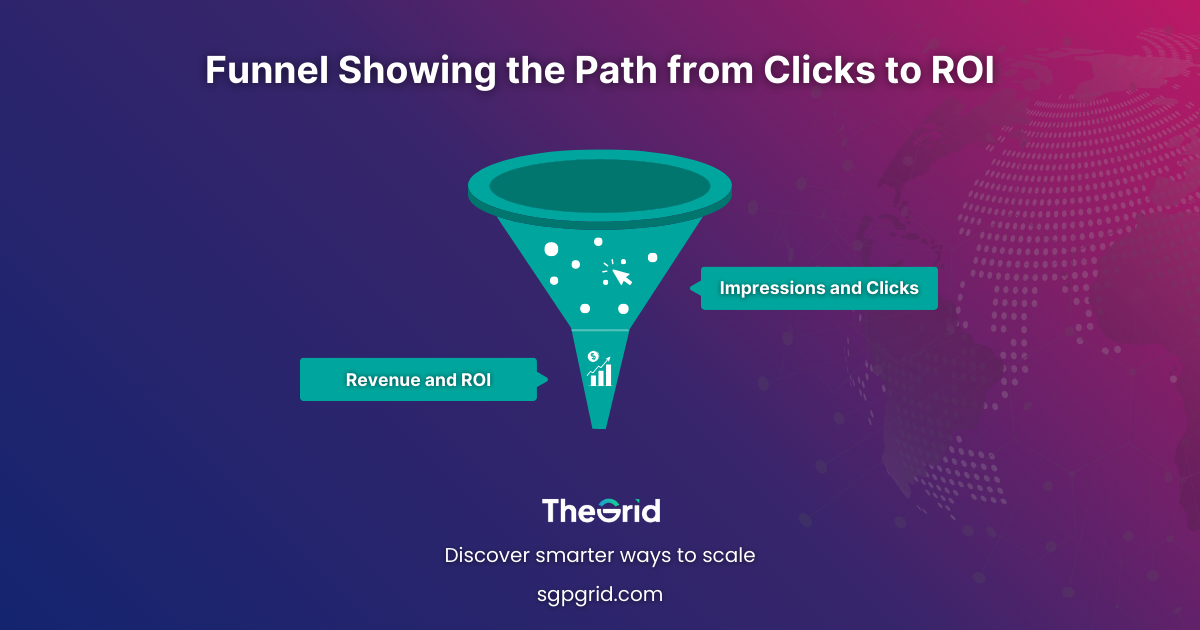
For SMEs and startups, marketing campaigns are significant investments, but many continue measuring performance using surface-level metrics like impressions, clicks, or open rates. These numbers can look positive, yet they offer little insight into whether marketing actually contributed to pipeline, revenue, or customer acquisition.
To measure campaign ROI in Singapore accurately, SMEs must adopt data-driven ROI measurement that tracks deeper, outcome-driven signals across the entire buyer journey. By focusing on signals tied to revenue rather than attention, businesses in Singapore and Southeast Asia can improve efficiency, optimize budgets, and build predictable growth engines.
Why Traditional Metrics Fall Short
Vanity metrics show activity, not business impact. A campaign may generate clicks without producing sales-qualified leads or advancing pipeline opportunities. For lean teams, this creates false confidence and leads to inefficient spending.
True ROI measurement requires connecting marketing performance to pipeline contribution, opportunity creation, and closed-won revenue, not just engagement.
Data Signals That Matter for ROI
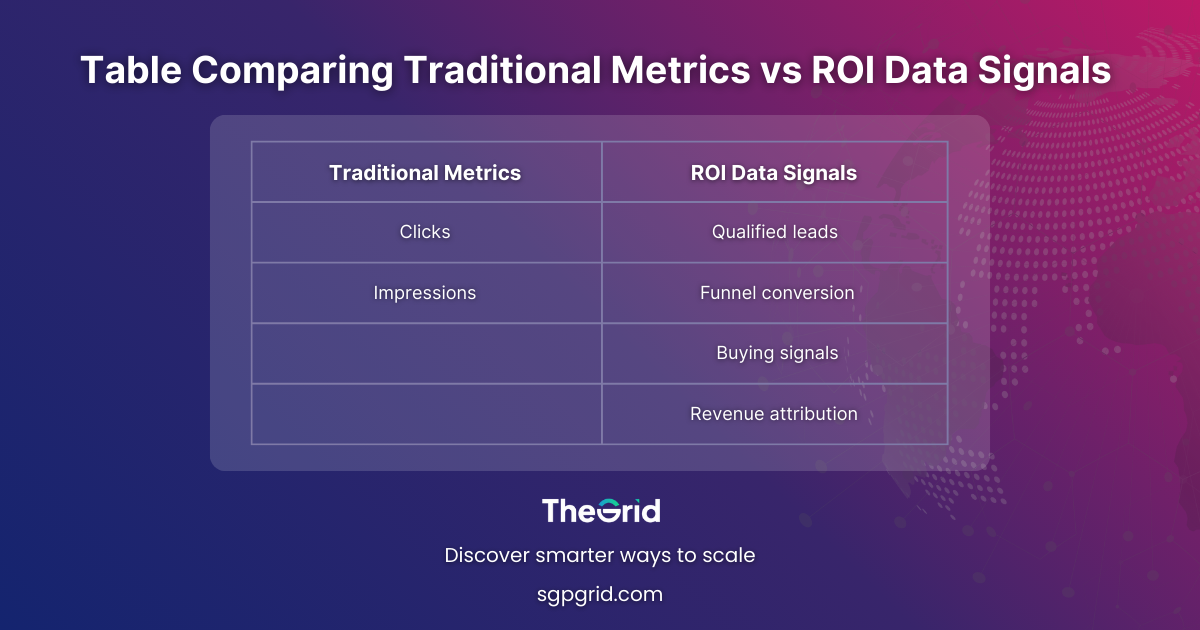
Lead Quality Over Quantity
The number of leads matters far less than the fit of each lead.
Signals to track:
- firmographic relevance
- ideal customer profile match
- engagement depth
- early-stage buying behavior
This helps SMEs evaluate SME marketing ROI SEA based on business value and not inbox activity.
Funnel Conversion and Velocity
Effective campaigns should accelerate movement from: MQL to SQL to Opportunity to Customer
Tracking funnel conversion and velocity supports better B2B campaign tracking in SEA, revealing which campaigns generate real opportunities and reduce sales friction.
Buying Signals from Accounts
Key account signals, such as hiring surges, new funding, tech adoption, or regulatory triggers, indicate when a company is ready to evaluate solutions.
Campaigns reaching accounts with these indicators consistently generate higher ROI and more reliable pipeline.
Revenue Attribution
The strongest ROI metric is revenue directly tied to a marketing initiative.
Using attribution tools, SMEs can see:
- which campaigns sourced new pipeline
- which touchpoints influenced a deal
- which segments drove revenue impact
This is the foundation of sales intelligence ROI.
Tools and Platforms that Help
Platforms like The Grid data signals help SMEs connect marketing performance to actual company intelligence.
Instead of measuring only downloads or clicks, teams can identify:
- whether engaged companies fit their ICP
- whether decision-makers interacted with content
- which accounts showed buying signals after campaigns
- how marketing activity influenced conversion
Integrated with CRM and automation tools, these insights prevent data loss and strengthen alignment between marketing and sales.
Real-World Example
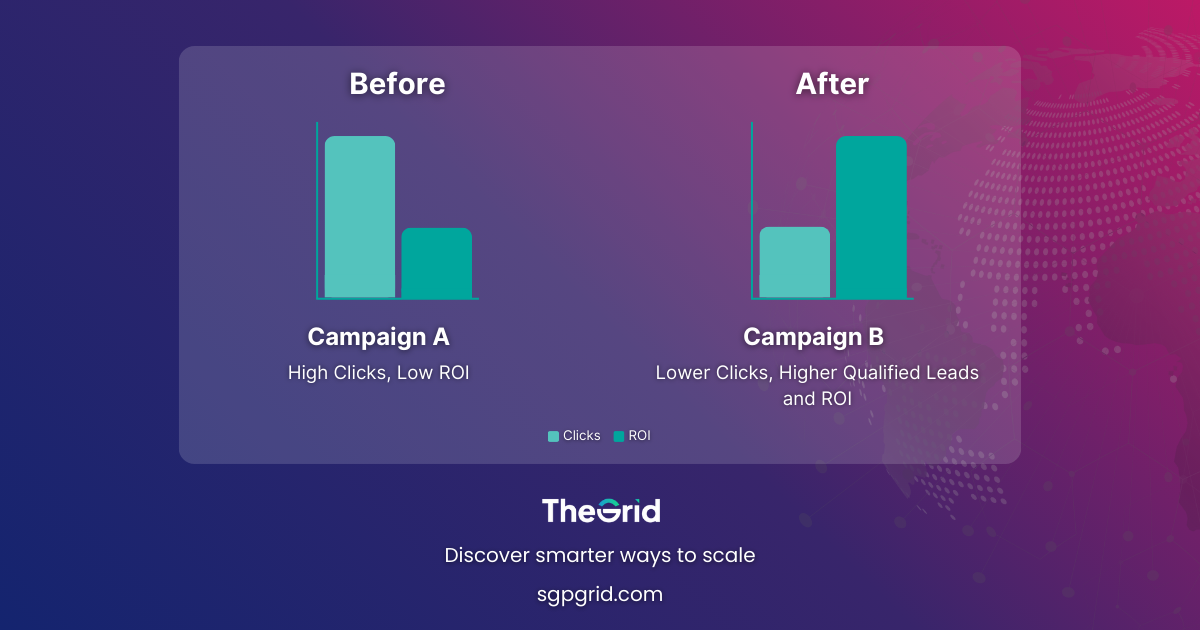
A SaaS startup in Singapore ran LinkedIn ads with high click-through rates but weak conversions. After analyzing startup marketing analytics, they realized the ads attracted companies outside their ICP.
Using The Grid data signals to refine targeting, they reached accounts with the right firmographics and buying intent.
The result:
- fewer clicks
- more qualified leads
- higher pipeline value
- measurable ROI tied to revenue outcomes
A classic case of data-driven ROI measurement outperforming vanity metrics.
Conclusion
Surface metrics don’t reveal real campaign performance. To maximize campaign ROI in Singapore, SMEs and startups must track data signals that reflect business impact, including lead quality, funnel conversion, buying triggers, and revenue attribution.
In Singapore and Southeast Asia, where budgets are limited and competition is high, focusing on meaningful data signals ensures every campaign drives measurable growth and profitability.
Disclaimer
This article is for informational purposes only. Data and examples are based on publicly available information and insights from The Grid’s platform. Results may vary depending on business context.
References
- HubSpot: https://blog.hubspot.com/marketing/measure-marketing-roi
- Gartner Marketing ROI Insights: https://www.gartner.com/en/insights/marketing-roi
- LinkedIn Marketing Solutions: https://business.linkedin.com/marketing-solutions