Cold outreach remains one of the most widely used B2B sales tactics, but most messages fall flat. Whether through email, LinkedIn, or phone calls, prospects receive countless generic approaches every week. In competitive markets like Singapore and Southeast Asia, these templated messages rarely break through the noise.
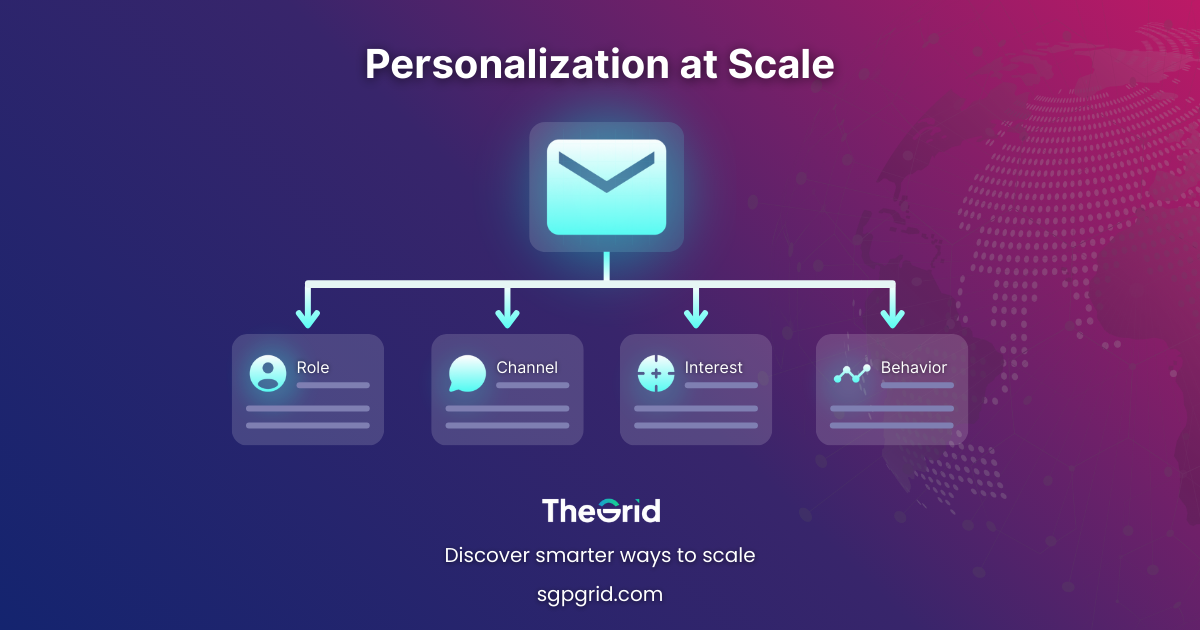
The key to success lies in personalized cold outreach Singapore. Cold outreach powered by data-driven insights allows SMEs and startups to stand out, feel relevant, and spark meaningful conversations. With the right intelligence and scalable methods, personalization becomes not just possible, but efficient and repeatable.
Why Personalization Matters in Cold Outreach
Decision-makers today are overwhelmed with outreach. According to LinkedIn research, buyers in Southeast Asia encounter dozens of sales messages weekly. Only those that feel specific, relevant, and timely earn a response.
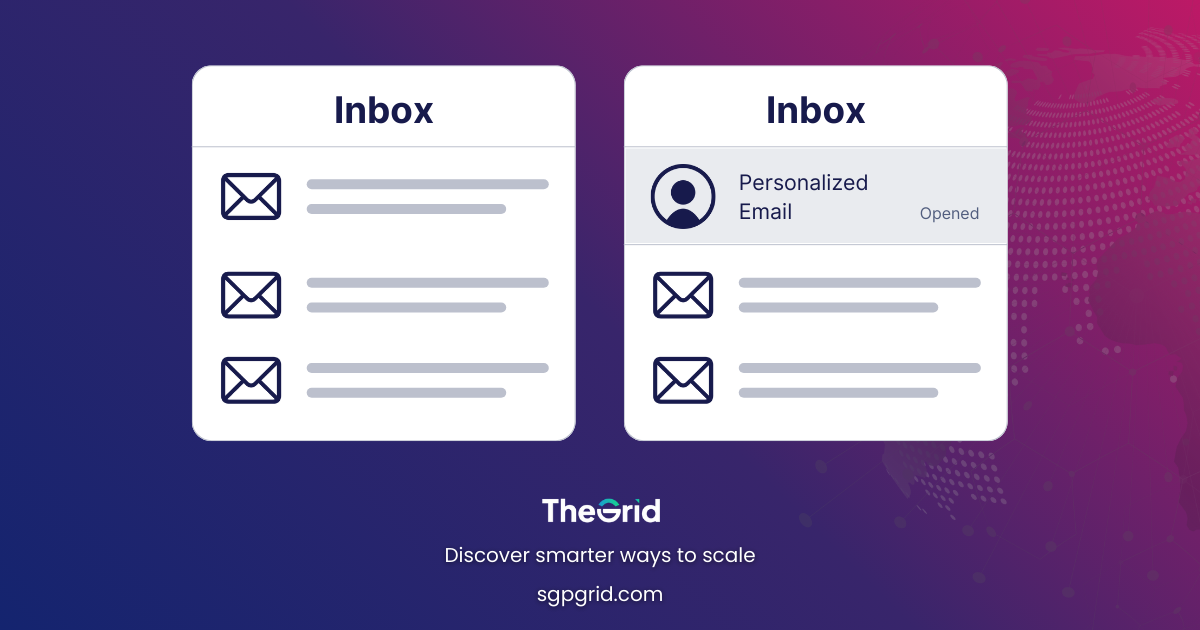
Personalization signals effort and authenticity. It shows that the outreach is tailored, not just blasted out to everyone. For SMEs with lean sales teams, focusing on cold email conversions instead of volume is essential. Personalized outreach ensures every message counts.
The Role of Data in Personalization
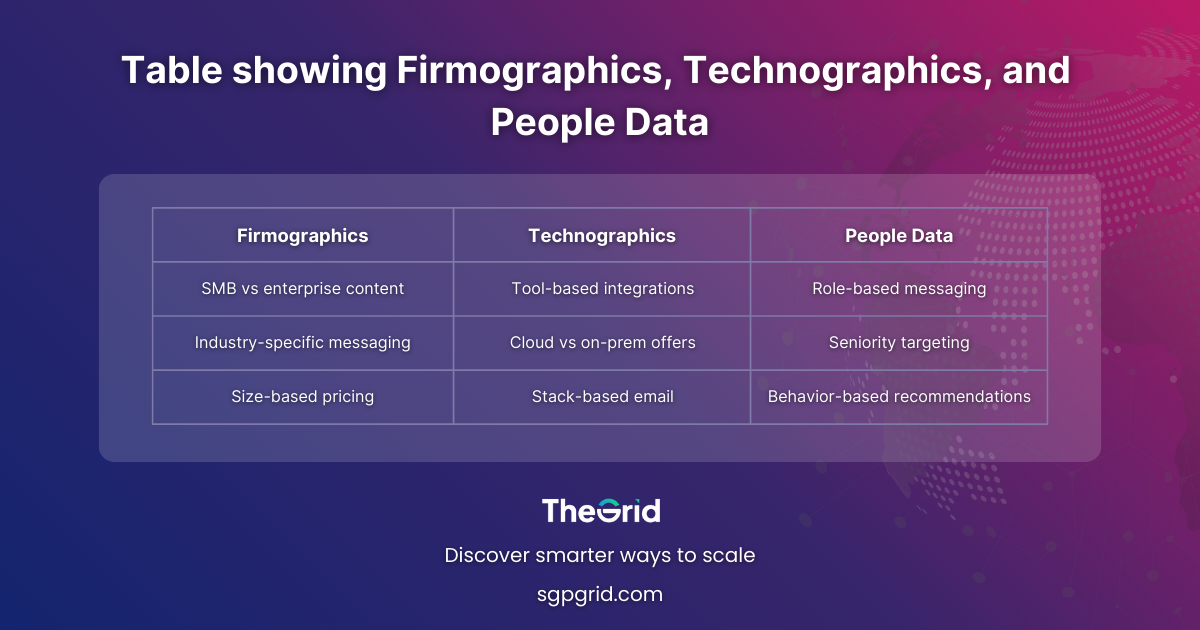
True personalization is not about inserting someone’s first name into an email. It requires understanding:
- Firmographics: Industry, company size, geographic footprint, and growth stage.
Example: Customize messaging for mid-sized F&B companies differently from fast-scaling fintech firms. - Technographics: The tools a company already uses like HR systems, CRM platforms, cloud ecosystems.
Example: Mention integration compatibility if you know they use Salesforce. - People Data: Roles, responsibilities, and decision-making influence within the organization, based on accurate decision-maker data in South East Asia.
Together, these datasets fuel data-driven outreach that feels relevant and personal without requiring manual research for every lead.
How to Personalize at Scale
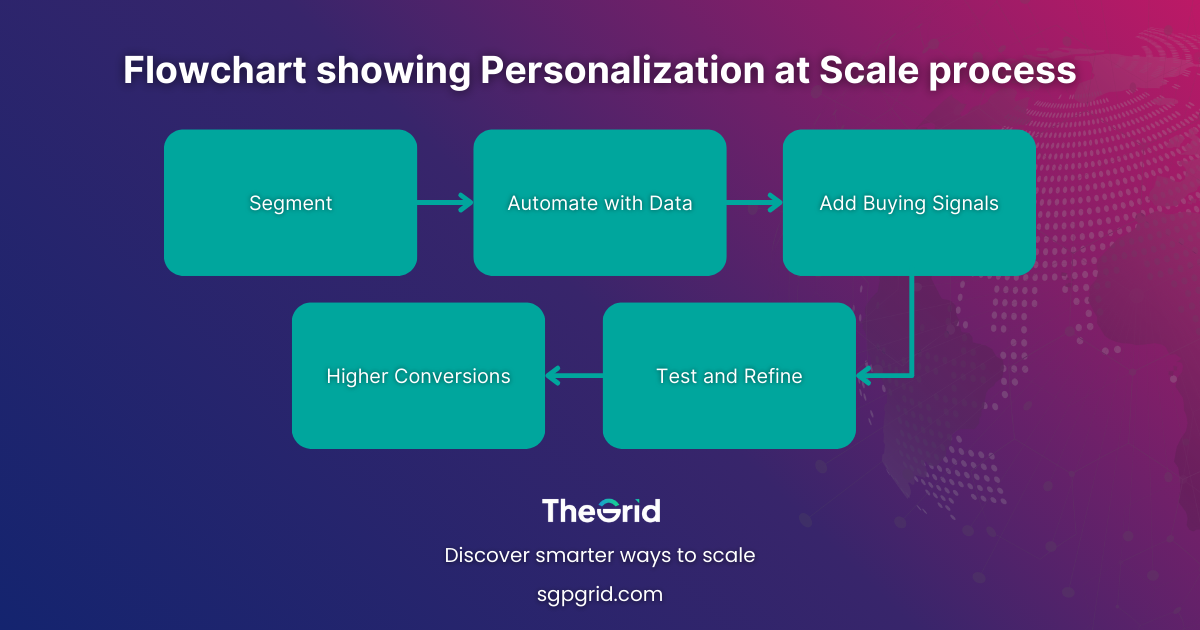
Segment Your Audience
Instead of blasting the same message to everyone, group prospects by meaningful traits:
- industry
- headcount
- tech stack
- growth triggers
Segmentation is the foundation of scale in B2B personalization.
Automate Without Losing the Human Touch
Sales engagement tools can automate sequences, but the key is ensuring each email pulls in correct, meaningful data.
Using The Grid sales intelligence, teams can automatically enrich outreach with:
- industry context
- tech stack insights
- decision-maker information
Automation becomes efficient without becoming generic.
Leverage Buying Signals
When prospects show behavior such as:
- hiring surges
- new funding
- regional expansion
- technology upgrades
These signals should influence your messaging. Contextual messages convert far better than standard templates.
Test and Refine
Personalization works best when continuously improved. Track:
- open rates
- click-throughs
- reply rates
- meeting bookings
Use these insights to refine messaging. Personalization should evolve with your audience and market trends.
Real-World Example
A Singapore SaaS startup offering expense management tools used to send 5,000 generic cold emails per month. Results were poor, recording low open rates, lower replies.
After adopting targeted B2B prospecting with The Grid, they shifted to 1,000 personalized, data-driven messages tailored by:
- company size
- industry
- recent hiring activity
- tools already in use
Open rates tripled, reply rates surged, and the sales team booked more qualified meetings than ever.
The lesson? Volume decreased, but results skyrocketed. That’s true startup sales growth SEA.
Conclusion
Cold outreach is not dead. It’s just poorly executed when generic.
With firmographics, technographics, and people data, SMEs and startups can personalize at scale without exhausting their teams. In markets like Singapore and Southeast Asia—where trust, relevance, and timing matter—data-driven outreach is the difference between getting ignored and generating real pipeline.
Tools like The Grid empower sales teams to personalize smarter and faster by providing verified insights, including verified business data Singapore and accurate decision-maker data SEA. The result shows more relevance, higher conversions, and more opportunities with less effort.
Disclaimer
This article is for informational purposes only. Data and examples are based on publicly available information and insights from The Grid’s platform. Results may vary depending on the business context.
References
- LinkedIn State of Sales SEA: https://business.linkedin.com/sales-solutions/state-of-sales
- HubSpot: https://blog.hubspot.com/sales/personalized-sales-outreach
- Gartner Sales Insights: https://www.gartner.com/en/sales