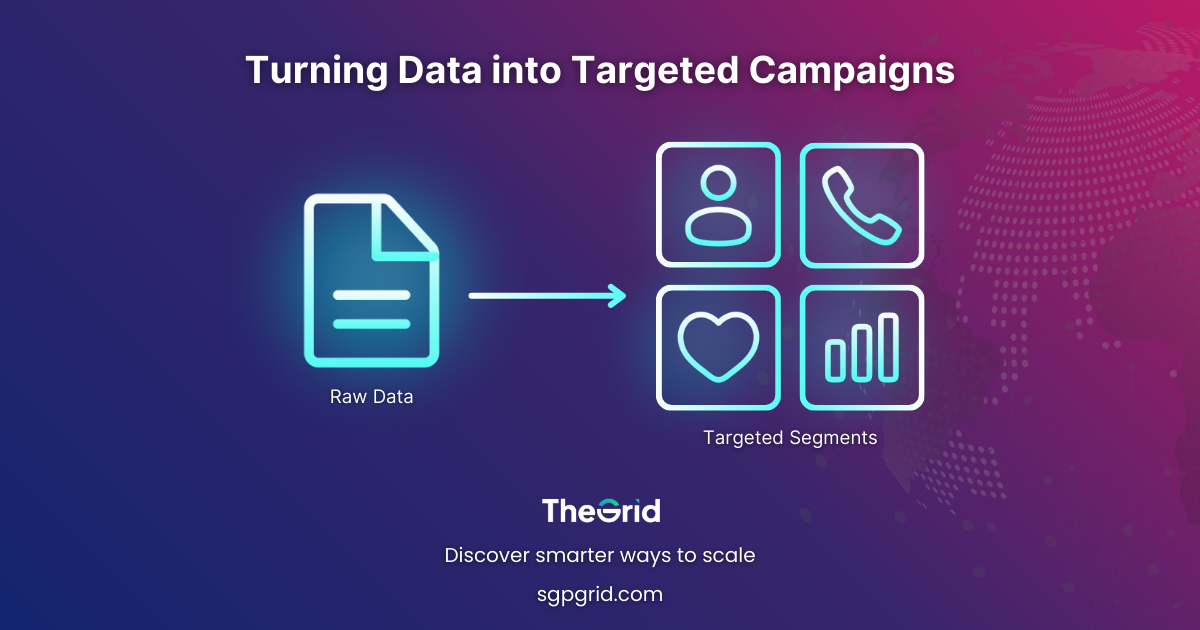
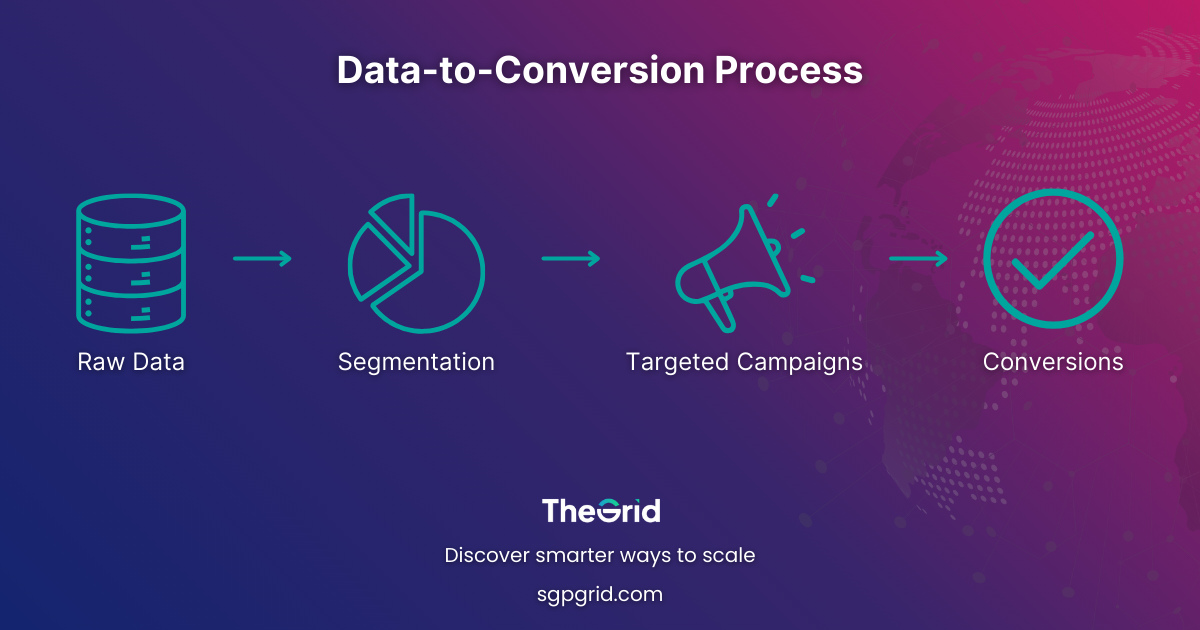
For SMEs and startups, simply having data isn’t enough. Raw lists and unstructured information may look impressive, but without segmentation, they create noise rather than meaningful results. To drive impactful marketing outcomes, businesses need to transform raw data into actionable segments and then build campaigns tailored to those groups.
This is where segmentation strategies Singapore come in. With the right framework, SMEs in Singapore and Southeast Asia can shift from broad, scattershot outreach to targeted B2B campaigns that resonate, engage, and convert.
Why Segmentation Matters
Treat all prospects the same, and your message becomes generic and forgettable. Segment your audience, and suddenly your campaigns speak directly to the right needs, contexts, and business challenges.
For example, an F&B technology provider in Singapore may discover that their audience naturally segments into:
- quick-service restaurants
- mid-sized catering companies
- enterprise hotel chains
Each segment has very different pain points. SME marketing campaigns in Southeast Asia become far more effective when messaging is tailored to these nuanced needs.
Segmentation ensures every campaign is rooted in relevance—and relevance drives conversions.
Key Segmentation Strategies for SMEs
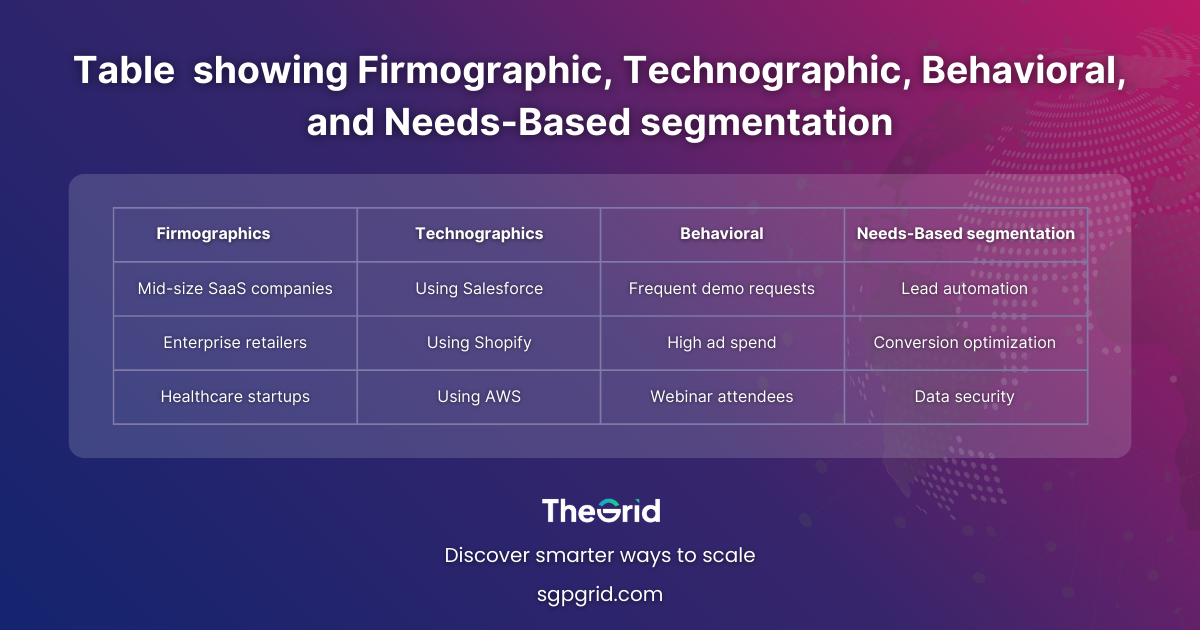
1. Firmographic Segmentation
Group prospects by company size, employee count, revenue band, or industry. For instance, SMEs in Singapore may need different messaging from mid-market companies in Malaysia or Indonesia.
Firmographics help teams build high-level structure and sharpen which sectors to prioritize.
2. Technographic Segmentation
Segment based on the technologies a company uses, like CRM platforms, HR systems, cloud tools, or legacy software.
Example:
If your software integrates with Salesforce, targeting companies already using Salesforce creates immediate resonance.
This approach strengthens data-driven segmentation by anchoring campaigns in the buyer’s current tech reality.
3. Behavioral Segmentation
Track actions such as:
- webinar attendance
- whitepaper downloads
- demo requests
- pricing page visits
Companies showing engagement signals should receive more personalized messaging since they’re closer to the intent stage.
4. Needs-Based Segmentation
Segment prospects by specific business challenges or regulatory pressures.
Example:
Companies affected by new MAS or SGX requirements may need urgent compliance solutions, creating opportunities for specialized campaigns.
This approach is especially effective for personalized campaigns SEA, where industries evolve quickly and require tailored messaging.
Turning Segments into Campaigns
Segmentation matters only when it leads to action. Once segments are defined, your marketing team can create precise campaigns with the right:
- messaging
- value propositions
- case studies
- outreach cadence
Example:
A retail SME segment may respond to cost-saving and scalability messaging, whereas financial institutions prioritize compliance and security.
Using sales intelligence and insights like verified business data Singapore or decision-maker data in Southeast Asia, segments become more accurate, which makes campaigns more personalized and conversion-driven.
This strategic alignment also helps sales prioritize follow-ups based on the segments with the highest likelihood of converting.
Real-World Example
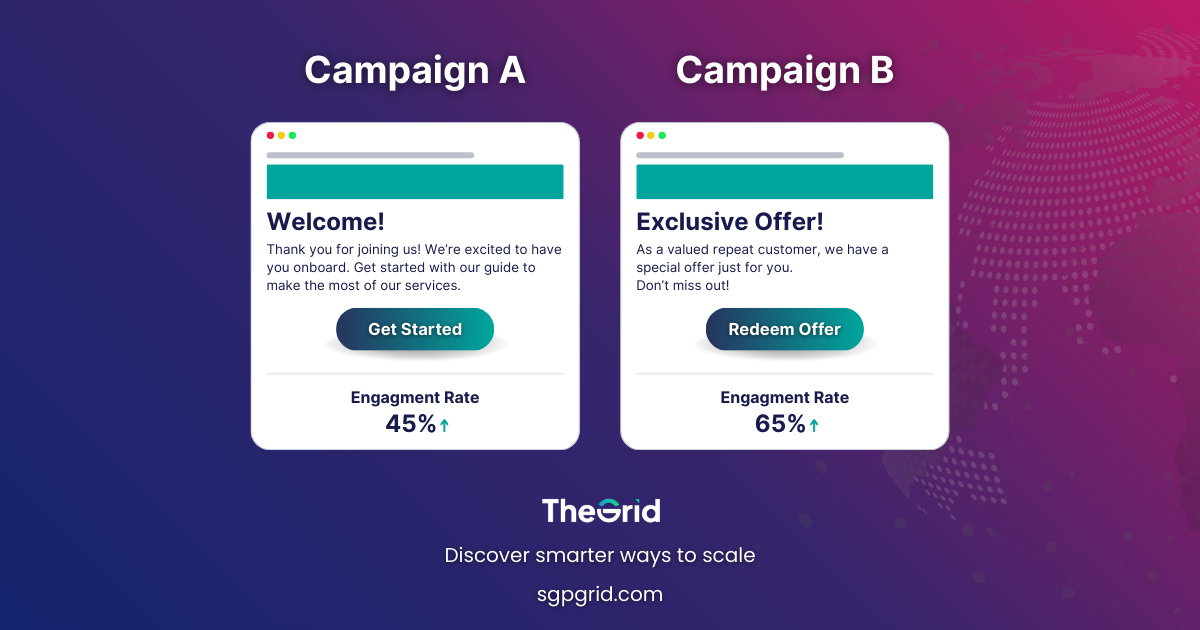
A Singapore logistics startup initially blasted one email to thousands of prospects. Engagement was low, and conversion rates stalled.
After segmenting their audience into:
- e-commerce
- manufacturing
- healthcare
The company crafted tailored campaigns for each segment. This results to:
- Open rates doubled
- Click-through rates increased
- Conversions rose significantly
By aligning their messaging with industry-specific pain points, campaigns finally resonated and the pipeline grew with higher-quality leads.
Conclusion
Segmentation strategies transform raw data into precise, targeted outreach that drives real results. By segmenting prospects using firmographics, technographics, behaviors, and needs, SMEs unlock far more effective SME marketing campaigns SEA and build deeper relevance across their funnel.
For resource-limited SMEs and startups in Singapore and Southeast Asia, segmentation is not just a marketing tactic—it’s the foundation of sustainable, scalable growth.
Disclaimer
This article is for informational purposes only. Data and examples are based on publicly available information and insights from The Grid’s platform. Results may vary depending on business context.
References
- HubSpot: https://blog.hubspot.com/marketing/segmentation
- Gartner Customer Segmentation Insights: https://www.gartner.com/en/insights/customer-segmentation
- Monetary Authority of Singapore (MAS): https://www.mas.gov.sg